
Weathered mortar joints can open pathways for moisture around chimneys, brick walls, parapets, and other masonry features. Tuckpointing services Columbus property owners need to focus on removing deteriorated mortar and restoring the joints between masonry units, and Buckeye City Roofing includes this work where masonry condition connects with the broader exterior of the property.
Leaks, missing shingles, or visible roof damage deserve a closer look before moisture travels farther into the house.
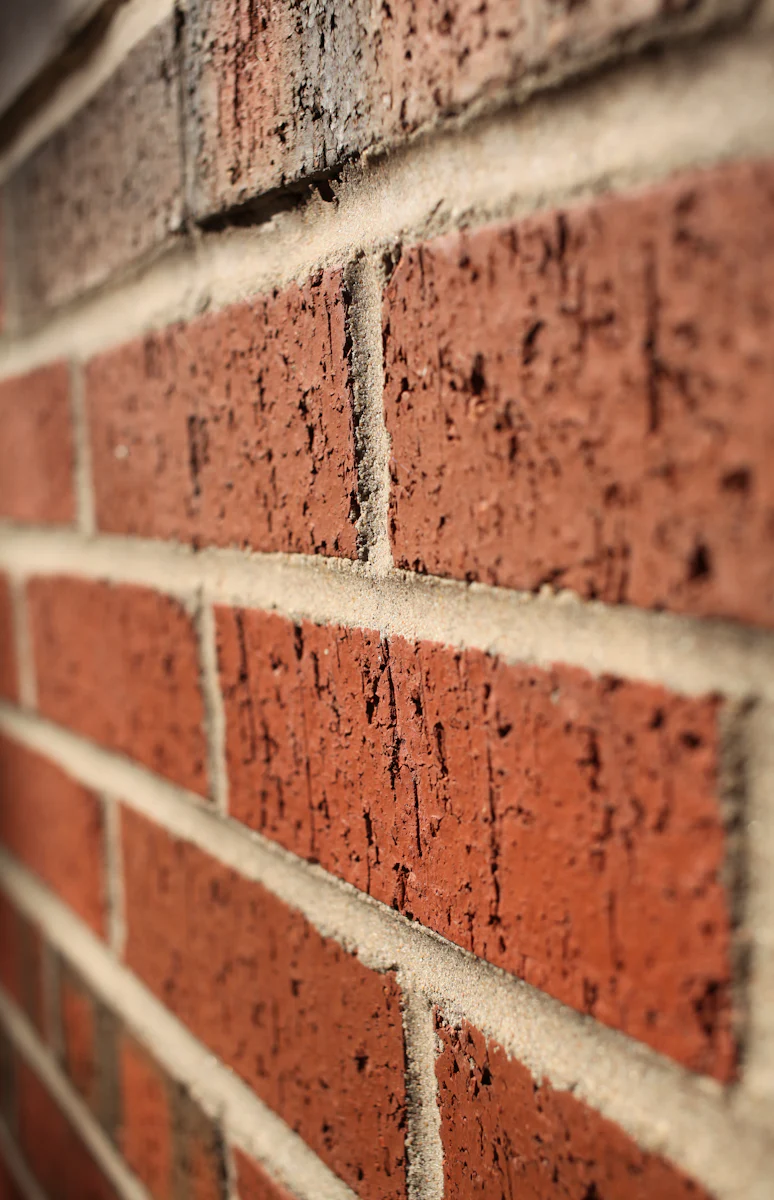
Brick and masonry surfaces rely on the mortar between units to keep joints stable and help manage weather exposure. As mortar deteriorates, joints can crack, recede, loosen, or leave gaps that make the surrounding masonry more vulnerable to moisture.
For tuckpointing services Columbus properties may need around chimneys, exterior walls, and other masonry features, Buckeye City Roofing looks at the joint condition separately from the roofing itself. The Columbus roofing company overview reflects the broader exterior work that may meet or surround those masonry areas.
Crumbly joints, visible gaps, or loose mortar around brickwork can signal that repointing or tuckpointing should be considered before deterioration spreads.
Loose or powdery mortar can indicate that weather exposure has weakened the joint material.
Deepened joints can leave masonry edges more exposed and allow water to collect.
Missing mortar creates direct openings between bricks or other masonry units.
Small cracks can widen over time as moisture and temperature changes affect the joint.
Mortar around chimney brickwork can deteriorate where roofing, flashing, and masonry meet.
Separated mortar can reduce joint stability and signal broader deterioration across the masonry surface.
• Mortar joint condition assessment
• Brick tuckpointing around exterior masonry areas
• Chimney tuckpointing where mortar has deteriorated
• Mortar removal from damaged or failing joints
• Mortar matching based on the existing masonry appearance and condition
• Brick mortar repair around localized damaged sections
• Exterior masonry tuckpointing for exposed wall areas
• Residential roofing for homeowners where masonry meets rooflines or chimneys
• Commercial roofing for local buildings with adjoining masonry transitions
• Professional roof repair options when the moisture source also involves nearby roofing
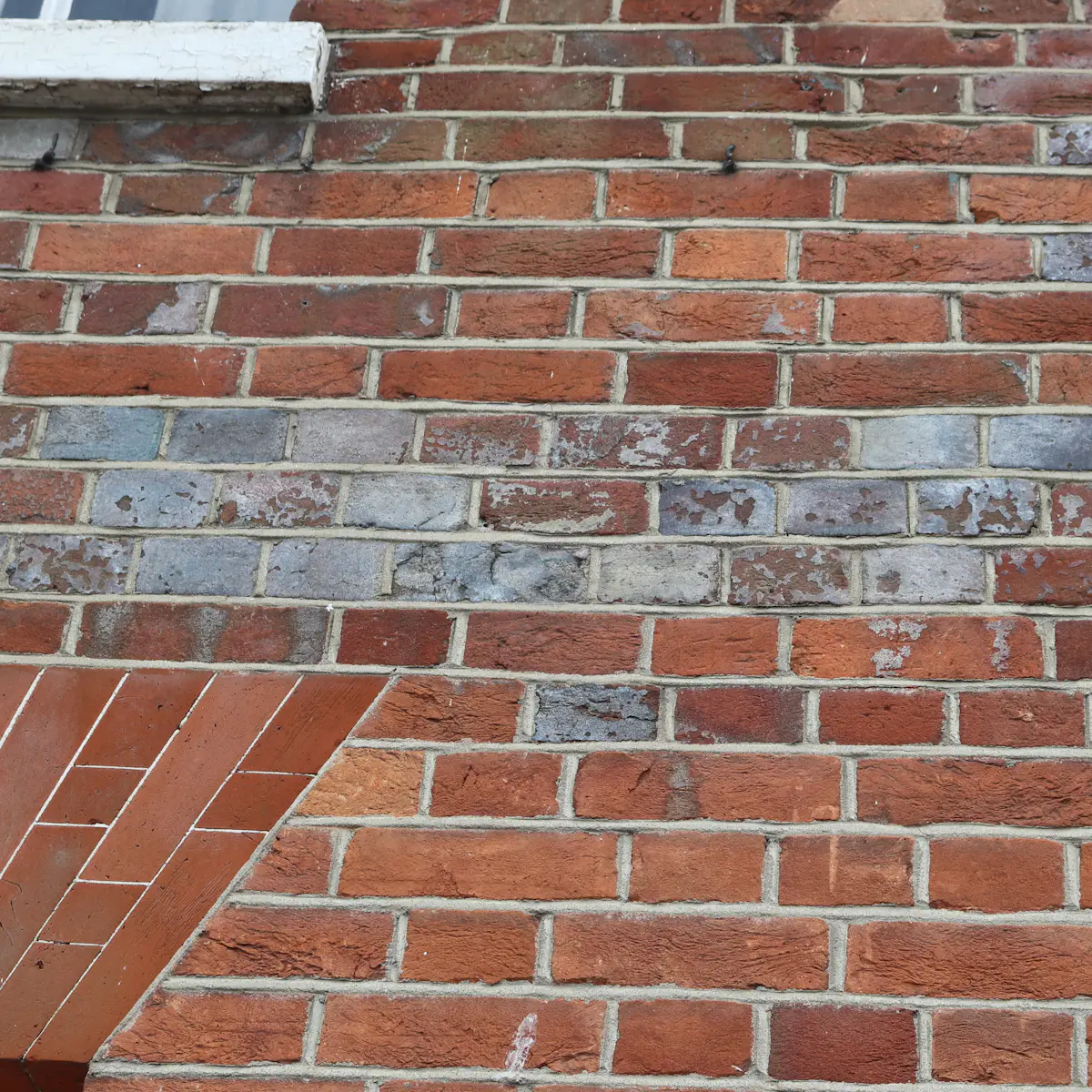
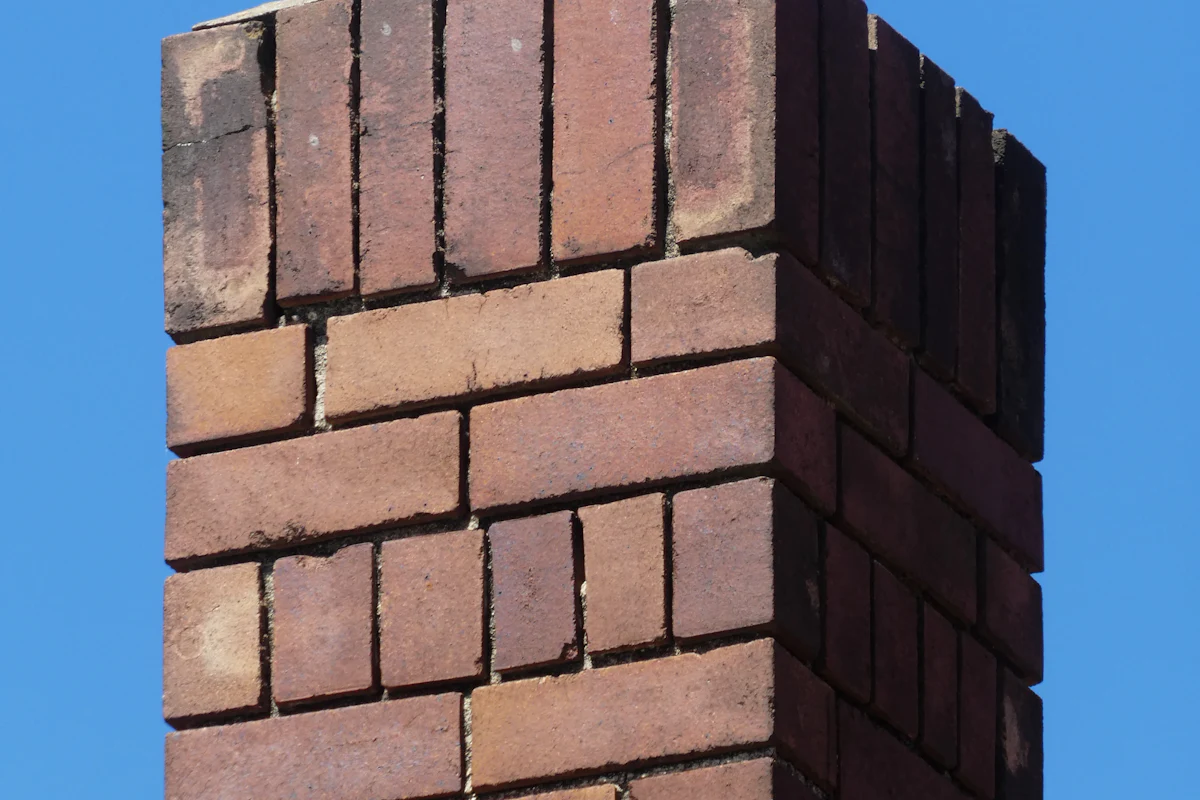
Tuckpointing is a masonry service, not a roofing substitute. The repair approach depends on the location, joint depth, mortar condition, brickwork, exposure, and how the masonry connects with surrounding exterior materials.
Masonry Area | Common Concern | Tuckpointing Focus |
Chimneys | Crumbling or missing mortar around exposed brick | Restore joints and review nearby transitions |
Exterior Brick Walls | Weathered or recessed mortar across visible joints | Remove failing material and repoint affected areas |
Parapet Masonry | Open joints exposed to repeated weather | Restore joint continuity and affected mortar sections |
Small Brick Features | Localized cracking or loose mortar | Targeted brick joint repair and mortar restoration |
1. Read the Joint Condition
We examine cracks, gaps, depth, loose mortar, and surrounding masonry surfaces.
2. Remove Failed Mortar
Deteriorated joint material is cleared where repair is needed and appropriate.
3. Rebuild the Joint
Fresh mortar is placed to restore the affected masonry joint profile.
These answers cover mortar deterioration, chimney joints, repair limits, mortar matching, and common questions about exterior masonry tuckpointing.
Tuckpointing is used to restore deteriorated mortar joints between bricks or other masonry units. The work removes failed mortar from affected joints and replaces it with new material. It can help address open gaps, crumbling joints, and visible mortar deterioration around exterior masonry features.
Crumbling material, recessed joints, visible gaps, loose mortar, or cracking can all point toward deterioration. The extent matters because one damaged joint may support a localized repair, while widespread wear across a wall or chimney can require broader masonry repointing.
No. Chimney tuckpointing addresses deteriorated mortar between masonry units, while roof repair addresses roofing materials, flashing, penetrations, and related roof components. The two services can overlap around chimney transitions, but they solve different problems and should not be treated as interchangeable.
New mortar should be compatible with the existing masonry and visually appropriate for the surrounding joints. Color, texture, joint profile, and material characteristics can all affect the finished appearance. Matching also helps avoid a repair that stands out sharply against the original brickwork.
Yes. Buckeye City Roofing includes tuckpointing among its confirmed services for appropriate residential and commercial masonry areas. The scope depends on mortar deterioration, brickwork condition, joint depth, exposure, and whether the affected masonry also connects with nearby roofing or flashing details.
Share the location, visible cracking, loose mortar, chimney condition, or exterior masonry concern with Buckeye City Roofing. Property owners can also request a roofing estimate to discuss the broader exterior project.
Tuckpointing services Columbus property owners need can address deteriorated mortar before gaps, cracking, and weather exposure become more extensive. Buckeye City Roofing can review the affected masonry and help define the repair scope that fits the joint condition.