
Buckeye City Roofing works with commercial buildings where roof performance affects operations, interior spaces, equipment, tenants, and long-term property planning. For commercial roofing in Columbus, OH, businesses need services that may involve membrane repairs, replacement planning, drainage concerns, penetrations, or complete roof installation.
Leaks, missing shingles, or visible roof damage deserve a closer look before moisture travels farther into the house.
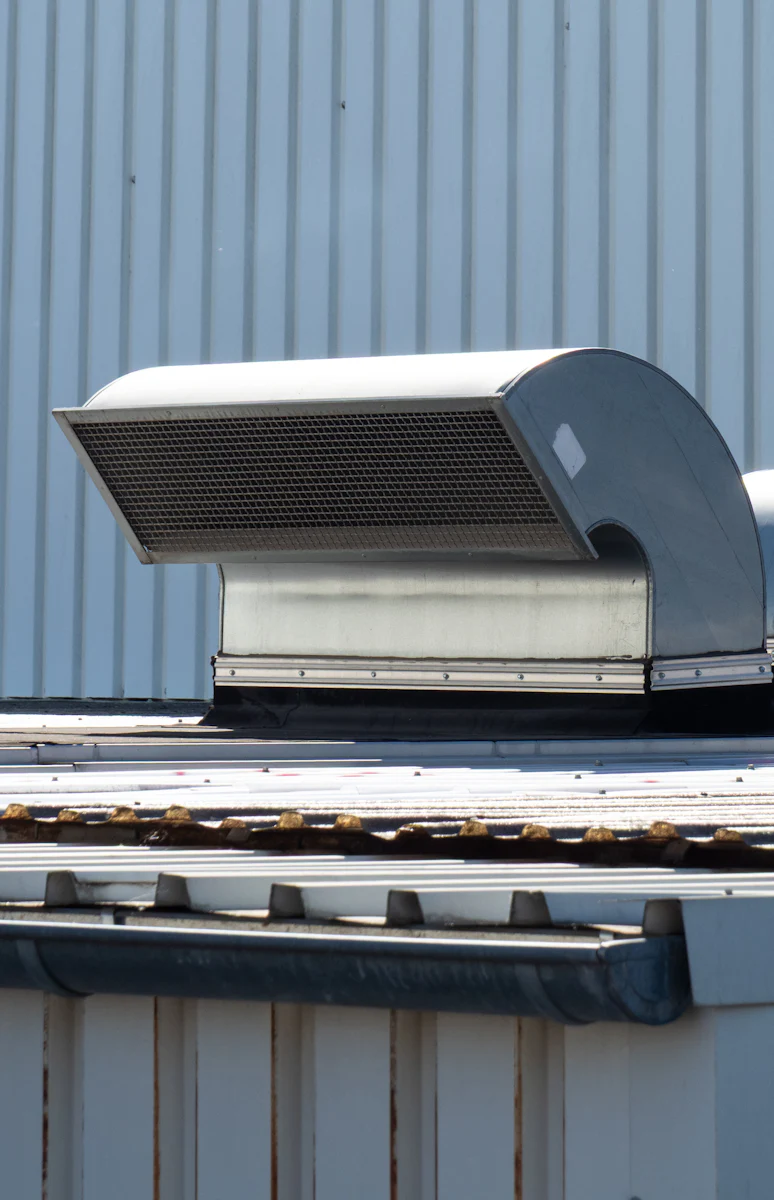
Commercial roofs often carry more penetrations, mechanical equipment, drainage points, seams, and low-slope sections than a typical house roof. Those details can change where water collects, how a leak travels, and which repair method makes sense.
As a commercial roofing company serving Central Ohio, Buckeye City Roofing works across flat and low-slope roofing systems, metal applications, and membrane roofs. Commercial roofing Columbus, OH property owners’ requests may involve a focused repair, maintenance concern, full installation, or planning around an aging system.
Roof access, drainage, penetrations, and interior leak reports can all help narrow the source. For urgent water entry, 24-hour emergency roofing help is available.
Standing water around drains or low areas can place added stress on membranes, seams, and flashing.
Separated membrane seams can create direct entry points for moisture across a low-slope commercial roof.
Roof vents, pipes, curbs, and equipment openings can become leak sources when surrounding details deteriorate.
Raised or bubbled membrane areas may indicate trapped moisture, adhesion trouble, or movement within the roof assembly.
Ceiling stains, dripping water, or damp areas can signal roof damage even when the exterior source is not obvious.
Sections needing repeated patching may indicate a broader system issue rather than another isolated roof defect.
• Commercial roof assessment and roof damage diagnosis
• Membrane seam and flashing evaluation
• Low-slope drainage and roof penetration review
• Commercial TPO membrane roofing
• Modified bitumen roof repair and replacement planning
• Commercial roof installation for new or replacement systems
• Metal roof installation and repair
• Leak tracing around rooftop equipment and transitions
• Commercial roofing estimates based on roof condition and scope
• Roofing project planning for occupied or operational buildings
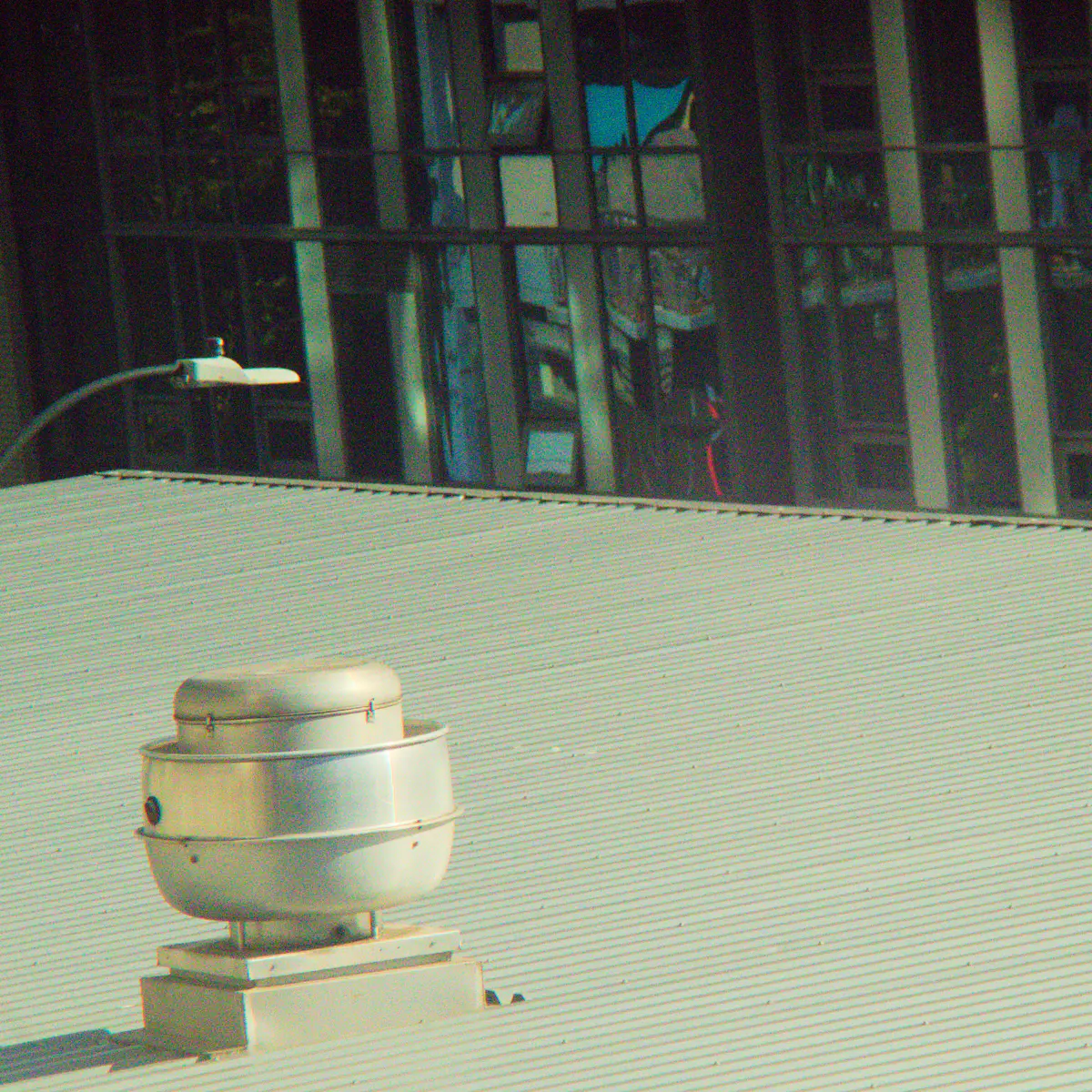
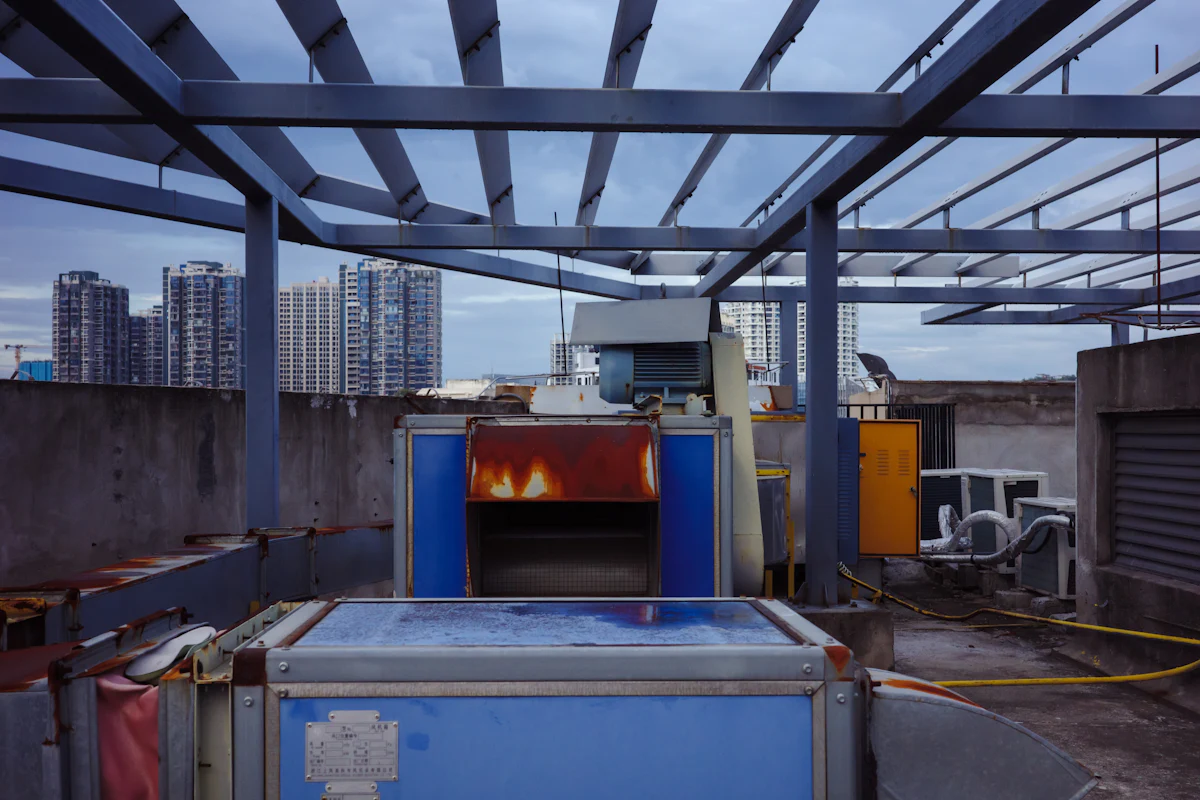
The right system depends on roof slope, drainage, penetrations, existing materials, building use, and future project plans. EPDM rubber roof solutions are one option among several commercial roof systems used on low-slope properties.
Roof System | Common Commercial Use | Service Focus |
TPO | Low-slope commercial buildings | Seams, punctures, flashing, drainage, and replacement |
EPDM | Flat and low-slope properties | Rubber membrane condition, edges, patches, and penetrations |
Modified Bitumen | Commercial low-slope roofs | Surface wear, laps, flashing, splits, and repairs |
Metal Roofing | Commercial and industrial structures | Panels, fasteners, seams, transitions, and installation |
1. Review the System
We examine membranes, drainage, penetrations, seams, flashing, and visible problem areas.
2. Build the Scope
Findings shape the repair, replacement, installation, or commercial roofing plan required.
3. Carry Out the Work
The agreed roofing work is completed around the building’s system and project needs.
These answers cover common questions about commercial roof systems, leaks, drainage, replacement planning, estimates, and ongoing roof condition.
The decision depends on how widespread the deterioration is, whether leaks keep returning, membrane condition, seam performance, drainage, and the remaining serviceability of the existing roof. A localized defect may support repair, while broader deterioration can make replacement planning more practical for the building.
A commercial roof assessment may review membrane surfaces, seams, flashing, penetrations, drains, edges, previous repair areas, and visible moisture concerns. Roof access and building conditions also matter because the source of an interior leak may be located some distance from where water finally appears.
Low-slope roofs rely on properly functioning drains, scuppers, and roof contours to move water away. When drainage is restricted, or low areas hold water, seams and membrane details can remain exposed to moisture longer, increasing the importance of identifying both the drainage issue and any resulting roof damage.
Many commercial roofing projects can be planned around an occupied building, although the approach depends on roof access, project scope, equipment locations, and building operations. A commercial property manager should discuss scheduling and access needs before work begins so the roofing plan reflects the site conditions.
Buckeye City Roofing works with commercial roofing systems that include TPO, EPDM, modified bitumen, metal roofing, and other flat or low-slope applications. The appropriate repair or installation method depends on the existing roof assembly, drainage, penetrations, material condition, and the needs of the property.
Tell Buckeye City Roofing what is happening with the building, whether the concern involves active leaks, membrane damage, drainage, an aging roof, or a planned commercial roof installation.
Commercial roofing Columbus, OH businesses rely on should match the building, roof system, and actual condition above it. Buckeye City Roofing can evaluate the concern, explain the available options, and help define the next roofing step.