
A roof that has reached widespread wear, repeated leakage, or material failure may need more than another isolated fix. A roof replacement service Columbus property owners can plan around starts with understanding the existing system, and Buckeye City Roofing handles tear-off, substrate review, material installation, and replacement planning for residential and commercial roofs.
Leaks, missing shingles, or visible roof damage deserve a closer look before moisture travels farther into the house.
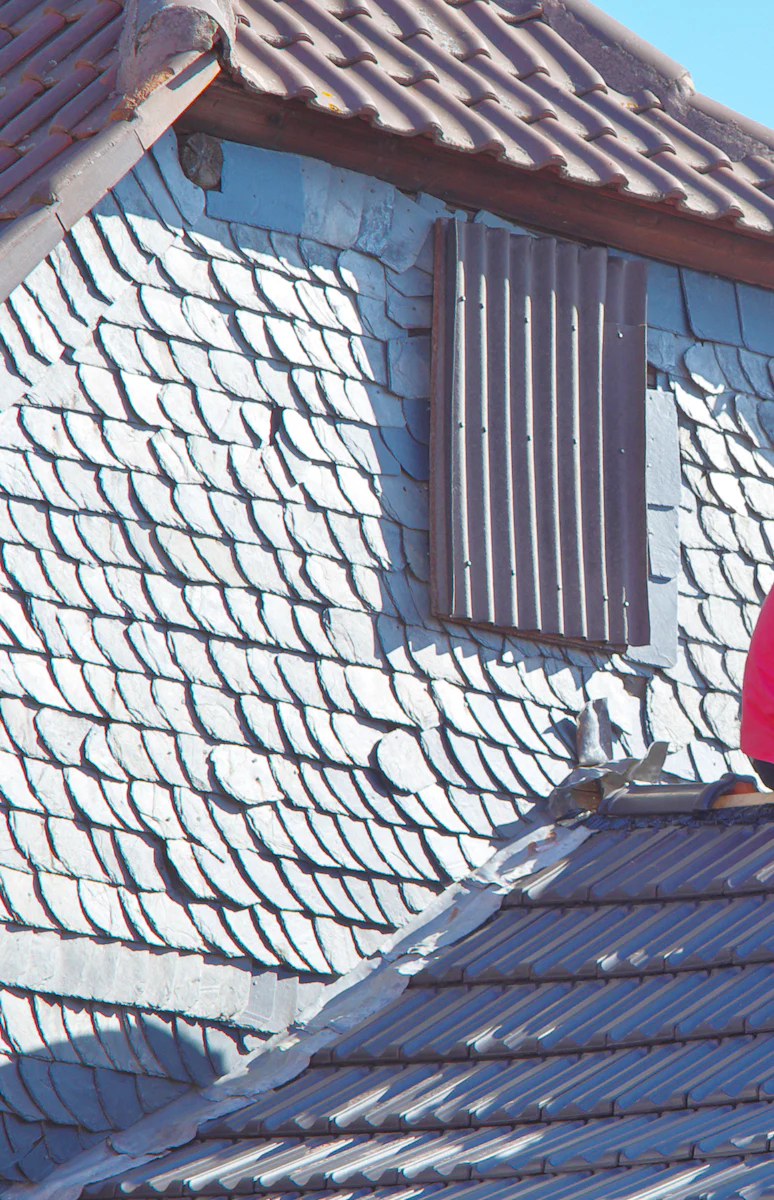
Removing an aging roof creates an opportunity to see conditions that were previously hidden. Decking, substrate areas, flashing transitions, ventilation details, and other components can influence what happens before new roofing materials are installed.
With more than 25 years of roofing experience, Buckeye City Roofing approaches each project around the existing roof rather than assuming every tear-off will uncover the same conditions. The Columbus roofing company overview reflects experience across shingle, metal, flat, residential, and commercial roofing systems.
A roof with repeated leaks, widespread material wear, or several failing areas may benefit more from replacement planning than continued isolated repairs.
Water returning in different areas can indicate deterioration extending beyond one isolated failure point.
Large areas of cracked, curled, loose, or deteriorated roofing can reduce the value of repeated repairs.
Spongy or weakened areas beneath the roofing may signal moisture damage requiring closer substrate inspection.
A roof covered with previous repair areas can become harder to manage as surrounding materials continue aging.
Roofing near the end of its useful life may develop several problems at roughly the same time.
Damage spread across broad roof areas can make full replacement more practical than repairing numerous separate sections.
• Existing roof condition and replacement-scope review
• Roof tear-off and replacement planning
• Tear-off disposal considerations
• Substrate and roof decking inspection after removal
• Underlayment installation before new surface materials
• Flashing, edge, penetration, and transition detailing
• Residential roofing for homeowners planning a new roof
• Commercial roofing for local buildings requiring system replacement
• Review of professional roof repair options when replacement may not yet be necessary
• Replacement timeline and project-access planning

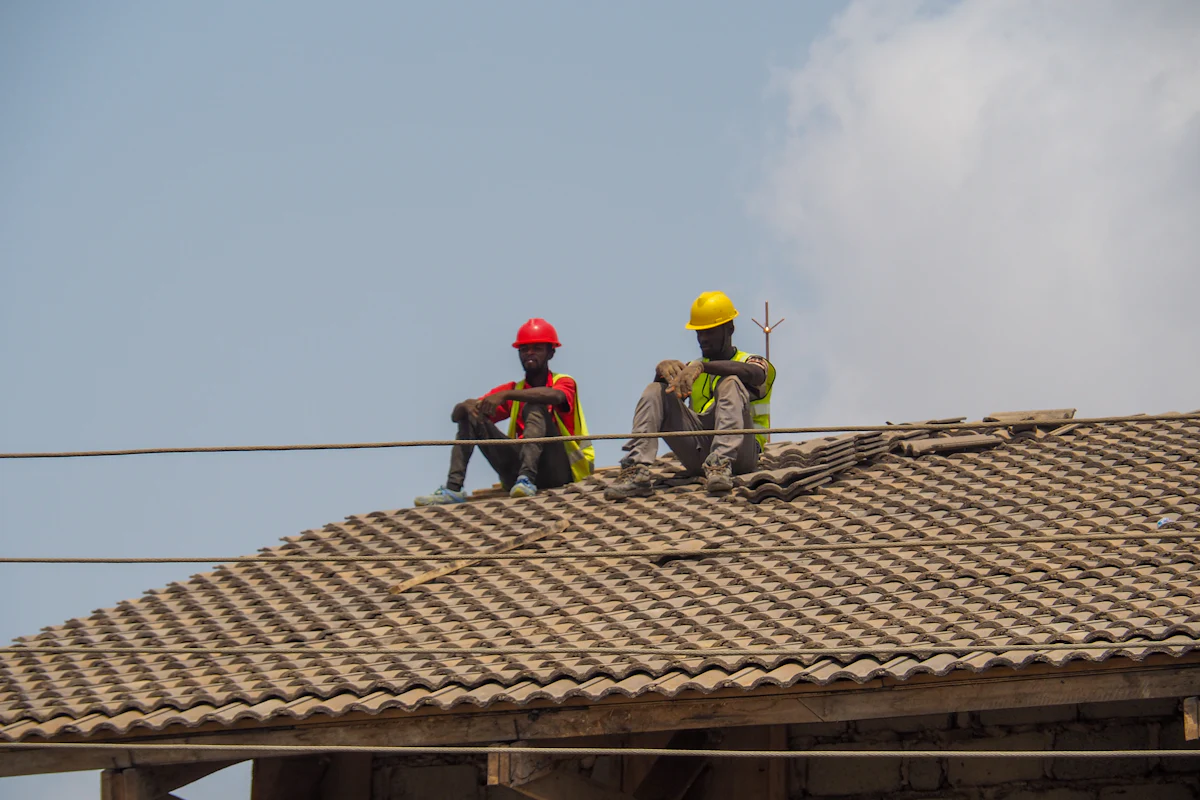
A roof replacement service Columbus properties require should reflect the material being removed, the condition beneath it, roof slope, drainage, penetrations, and the new system being installed.
Existing Roof | Replacement Consideration | Planning Focus |
Asphalt Shingles | Tear-off may expose decking and underlayment conditions | Decking, ventilation, flashing, and new shingle installation |
Flat Membrane | Removal can reveal trapped moisture or substrate concerns | Drainage, seams, insulation, penetrations, and membrane selection |
Metal Roofing | Panels and attachment points require system-specific removal | Substrate, fasteners, flashing, transitions, and panel installation |
Commercial Roof | Larger areas may require phased project coordination | Access, drainage, rooftop equipment, materials, and scheduling |
1. Confirm the Scope
We confirm roof condition, replacement scope, materials, access, and tear-off requirements.
2. Expose the Substrate
Existing roofing is removed as planned, exposing the substrate for inspection.
3. Build the New System
Underlayment and selected roofing materials are installed, detailed, and checked for completion.
These answers cover replacement timing, tear-off work, repair decisions, materials, estimates, and what happens beneath the old roof.
Replacement becomes more relevant when damage is widespread, several areas keep leaking, roofing materials are heavily deteriorated, or repeated repairs no longer address the broader condition. A focused repair can still make sense when the surrounding roof remains serviceable, and the failure is clearly isolated.
The appropriate approach depends on the existing roofing system, layers already present, substrate condition, project requirements, and the new material being considered. Tear-off allows underlying areas to be inspected directly, which can reveal decking, moisture, or substrate conditions that were not visible beforehand.
Exposed decking can be reviewed once the existing roofing is removed. If deteriorated or moisture-affected areas are found, they may need attention before the new roofing system is installed. The actual scope depends on how much damage is present and where it occurs.
The replacement timeline depends on roof size, system type, tear-off requirements, substrate conditions, weather, access, material needs, and project complexity. Residential and commercial replacements can differ considerably, so scheduling should be based on the specific roof rather than a universal time estimate.
Warranty terms can vary by roofing product, manufacturer, installation requirements, and the terms included in the roofing agreement. Buckeye City Roofing does not treat all roof warranties as identical, so property owners should review the applicable terms for the materials and project being considered.
Tell Buckeye City Roofing about the existing roof, recurring problems, known damage, or replacement project you are considering. You can also request a roofing estimate to begin discussing the scope.
A roof replacement service Columbus homes and businesses need should account for removal, hidden substrate conditions, materials, and how the new system comes together. Buckeye City Roofing can evaluate the existing roof and help define the replacement work that makes sense for the property.