Metal roofs depend on secure panels, controlled movement, sound flashing, and properly detailed edges to perform as intended. For metal roofing in Columbus, property owners need homes or commercial buildings; Buckeye City Roofing provides installation, repair, replacement, and system evaluation while accounting for the way metal expands, contracts, and sheds water.
Leaks, missing shingles, or visible roof damage deserve a closer look before moisture travels farther into the house.
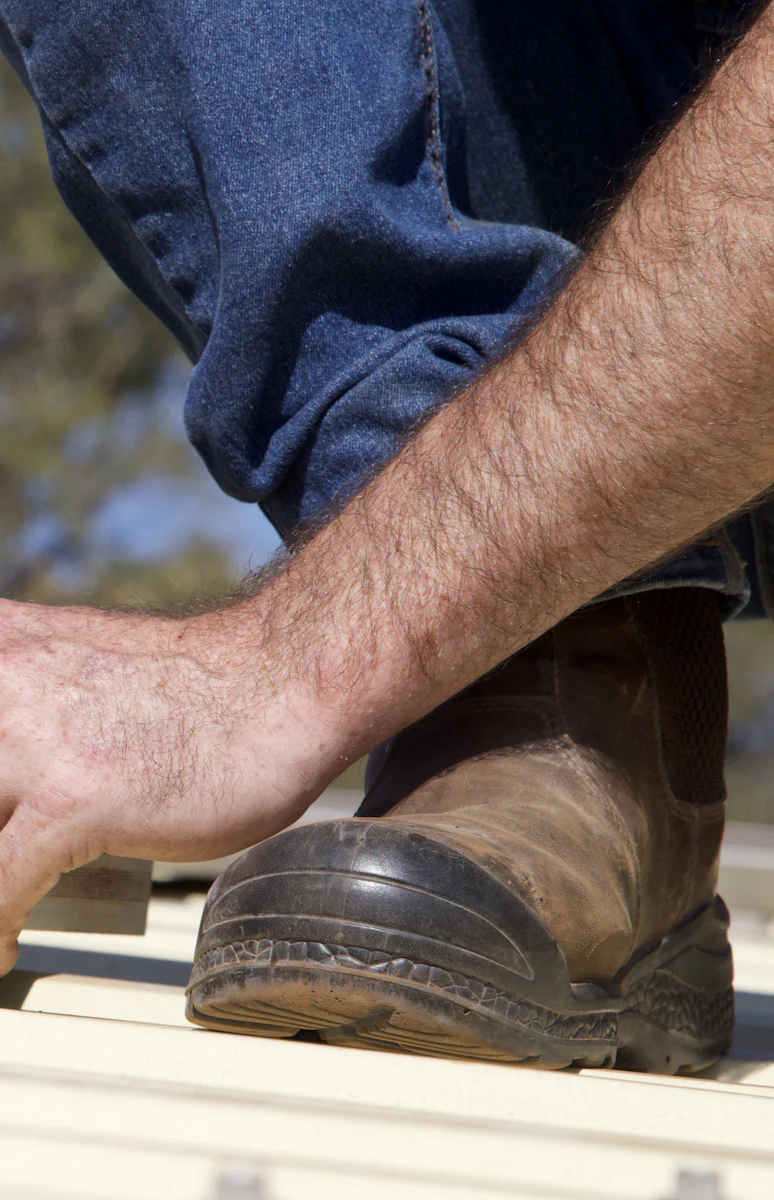
Unlike materials that remain relatively fixed, metal panels respond to temperature changes throughout the year. Fasteners, standing seams, flashing, penetrations, coatings, and panel edges all have to accommodate that movement without creating openings where water can enter.
That makes metal roof work highly dependent on the existing panel system and installation details. Buckeye City Roofing provides metal roofing Columbus properties can use for repair, installation, or replacement across both residential roofing for homeowners and commercial roofing for local buildings.
Loose fasteners, open seams, worn sealant, or damaged flashing can create leak paths even when the surrounding panels still appear intact.
Fasteners can back out or lose sealing pressure as panels move through repeated temperature changes.
Separated standing seams or panel joints can allow moisture beneath an otherwise sound metal surface.
Aged sealant around penetrations, joints, and flashing details can crack or pull away over time.
Loose or damaged edge flashing can expose vulnerable roof sections to wind-driven rain and moisture.
Scratched coatings or prolonged exposure can leave some metal areas more vulnerable to corrosion.
Dents, buckling, or movement can affect panel alignment, drainage, and connections between adjoining roof sections.
• Standing seam panel condition and alignment review
• Metal roof fastener and attachment inspection
• Flashing around walls, edges, penetrations, and transitions
• Thermal expansion and panel movement concerns
• Metal roof leak diagnosis and localized repair
• Panel coating and surface-condition evaluation
• Metal roof installation for residential and commercial properties
• Professional roof repair solutions for isolated metal roof failures
• Complete roof replacement service when deterioration is more extensive
• New metal roof and replacement project planning
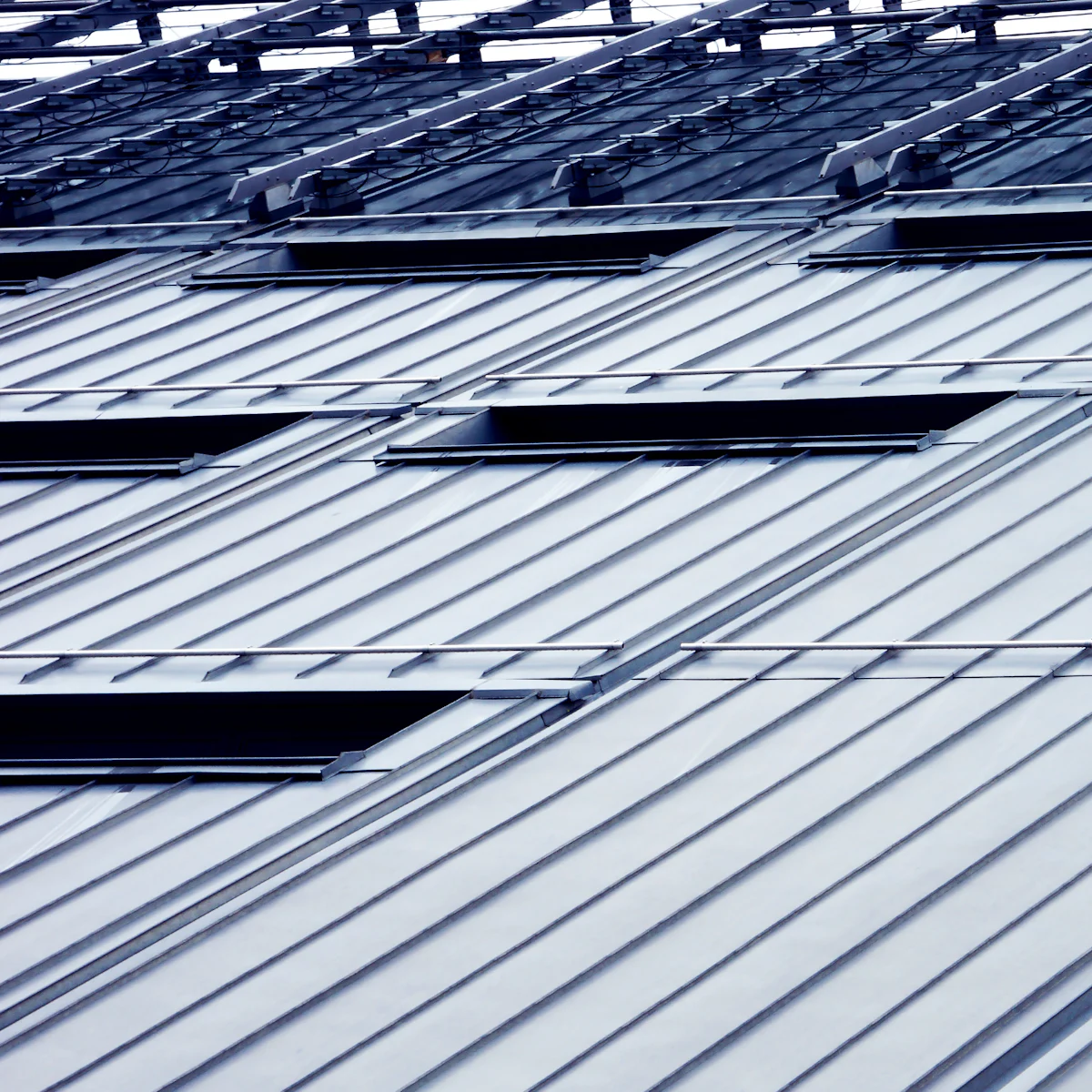
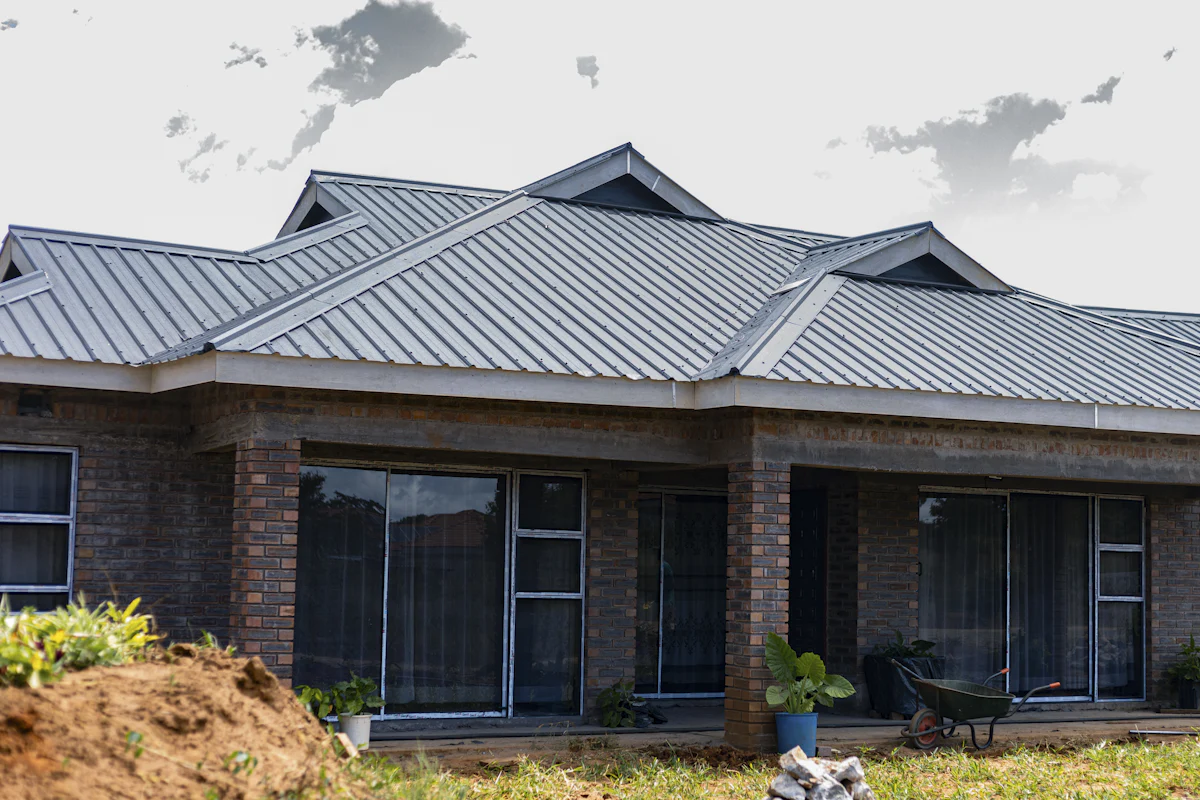
Choosing or servicing a metal system requires attention to panel profile, attachment method, roof slope, coatings, seams, and how the roof handles movement.
Metal Roof Type | Common Application | Key Service Considerations |
Standing Seam | Homes and commercial buildings | Concealed fasteners, raised seams, flashing, and thermal movement |
Exposed-Fastener Panels | Utility, agricultural, and some commercial roofs | Fastener seals, washers, panel laps, and attachment points |
Metal Shingles | Residential pitched roofs | Interlocking pieces, flashing, edges, and localized damage |
Structural Metal Panels | Larger commercial or industrial buildings | Panel spans, seams, fasteners, coatings, and transitions |
1. Check the Connections
We inspect seams, fasteners, flashing, penetrations, coatings, and visible panel movement.
2. Match the Repair
The roof system determines which panels, details, or connections require corrective work.
3. Restore the Assembly
Repairs or replacement are completed around the roof’s existing metal configuration.
These answers cover metal roof repairs, standing seams, fasteners, coatings, replacement, installation, and common residential or commercial concerns.
Metal panels expand and contract as temperatures change, which can cause repeated movement around attachment points. On exposed-fastener systems, washers and fasteners can also age or lose sealing pressure. The correct repair depends on the panel type, fastener condition, surrounding metal, and whether movement has affected nearby areas.
Sometimes. A localized panel may be replaceable when the surrounding roof remains in good condition, and the existing system allows compatible material to be installed correctly. Seam configuration, panel profile, coatings, flashing, and access all influence whether an isolated replacement is practical or broader work makes more sense.
Standing seam systems typically use raised panel seams and concealed fastening methods, reducing the number of exposed attachment points across the main roof surface. Performance still depends on correct panel spacing, flashing, edge detailing, penetrations, and allowance for thermal movement, so installation details remain important.
Localized seam, flashing, fastener, or panel problems may support repair when the rest of the roof remains serviceable. Replacement becomes more relevant when corrosion, coating failure, panel damage, or repeated leaks affect broad areas. The existing system and overall roof condition should guide that decision.
Yes. Buckeye City Roofing works with metal roofing for homes as well as commercial metal roofing applications. The appropriate system and installation method depend on roof slope, panel design, fastening method, flashing requirements, building use, and whether the project involves new installation, replacement, or repair.
Share the roof type, visible damage, leak concern, or installation plans with Buckeye City Roofing. Property owners can also request a roofing estimate when ready to review the project in more detail.
Metal roofing Columbus properties rely on performs through secure seams, controlled movement, protected edges, and correctly detailed connections. Buckeye City Roofing can evaluate the existing system and help determine whether repair, installation, or replacement fits the roof.