
Layered asphalt membranes can handle demanding low-slope applications, but laps, cap sheets, flashing, and surface wear still need close attention. Buckeye City Roofing provides modified bitumen roofing that Columbus property owners can use for installation, repair, replacement, and system evaluation across commercial and appropriate low-slope buildings.
Leaks, missing shingles, or visible roof damage deserve a closer look before moisture travels farther into the house.
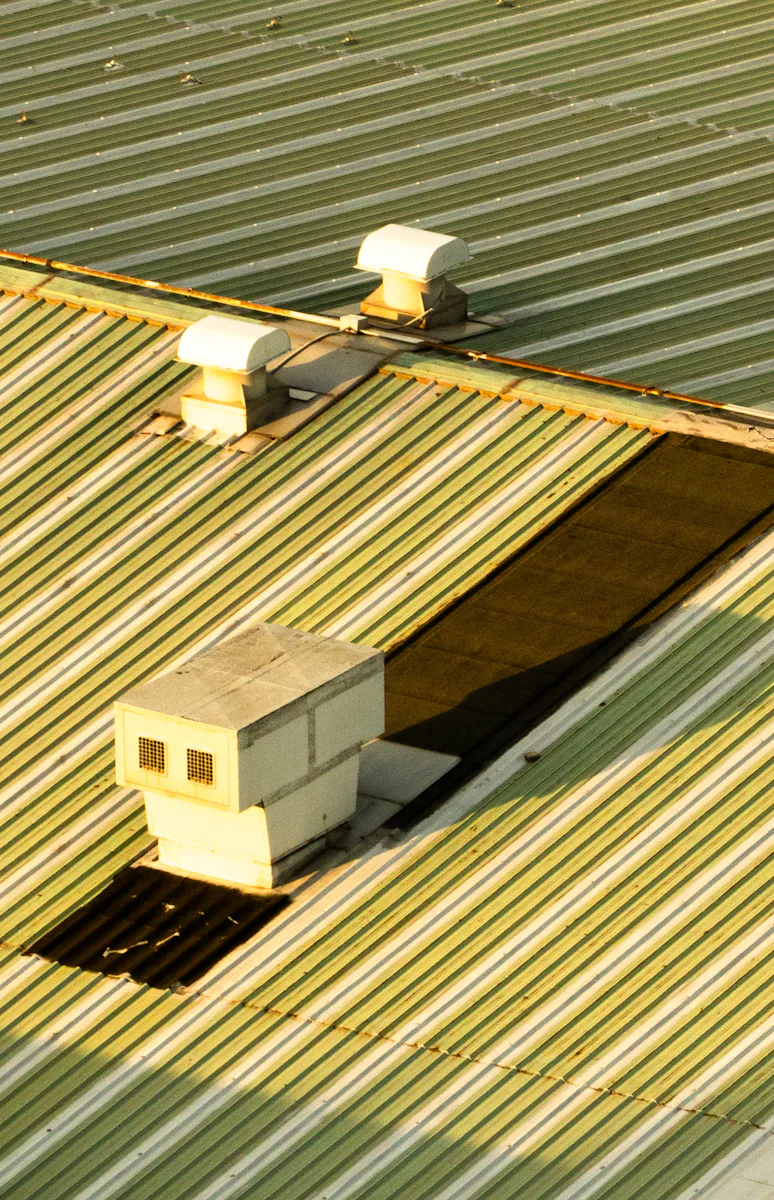
Modified bitumen combines asphalt with reinforcing materials to create a durable membrane system for flat and low-slope roofs. SBS modified asphalt, APP modified asphalt, roofing cap sheets, membrane laps, and granulated surfaces can all affect how the system responds to movement, weather, and repair work.
For modified bitumen roofing Columbus buildings depend on, Buckeye City Roofing looks at the existing assembly rather than treating every worn area the same way. Related flat and low-slope roofing systems can also involve different drainage, flashing, and membrane details that influence the project scope.
Granule loss, open laps, splits, or bubbling areas can signal deterioration within the modified bitumen membrane rather than simple cosmetic wear.
Separated membrane overlaps can create direct moisture paths beneath the finished roofing surface.
Repeated weather exposure and aging can create cracks across cap sheets or exposed asphalt areas.
Heavy surface wear can leave sections with less protection against sunlight and weather exposure.
Raised areas can indicate trapped moisture, adhesion issues, or movement within layered roofing materials.
Transitions around walls, edges, and penetrations can deteriorate before the main membrane field fails.
Movement or stress can create openings that extend through one or more modified bitumen layers.
• Modified bitumen membrane condition assessment
• SBS and APP modified asphalt system evaluation
• Roofing cap sheet and granulated surface inspection
• Membrane lap and seam review
• Flashing around walls, curbs, and penetrations
• Modified bitumen roof repair for localized damage
• Modified bitumen roof installation on suitable low-slope properties
• Commercial roofing for local buildings using layered membrane systems
• Professional roof repair options where deterioration remains isolated
• Modified bitumen roof replacement planning when widespread failure develops

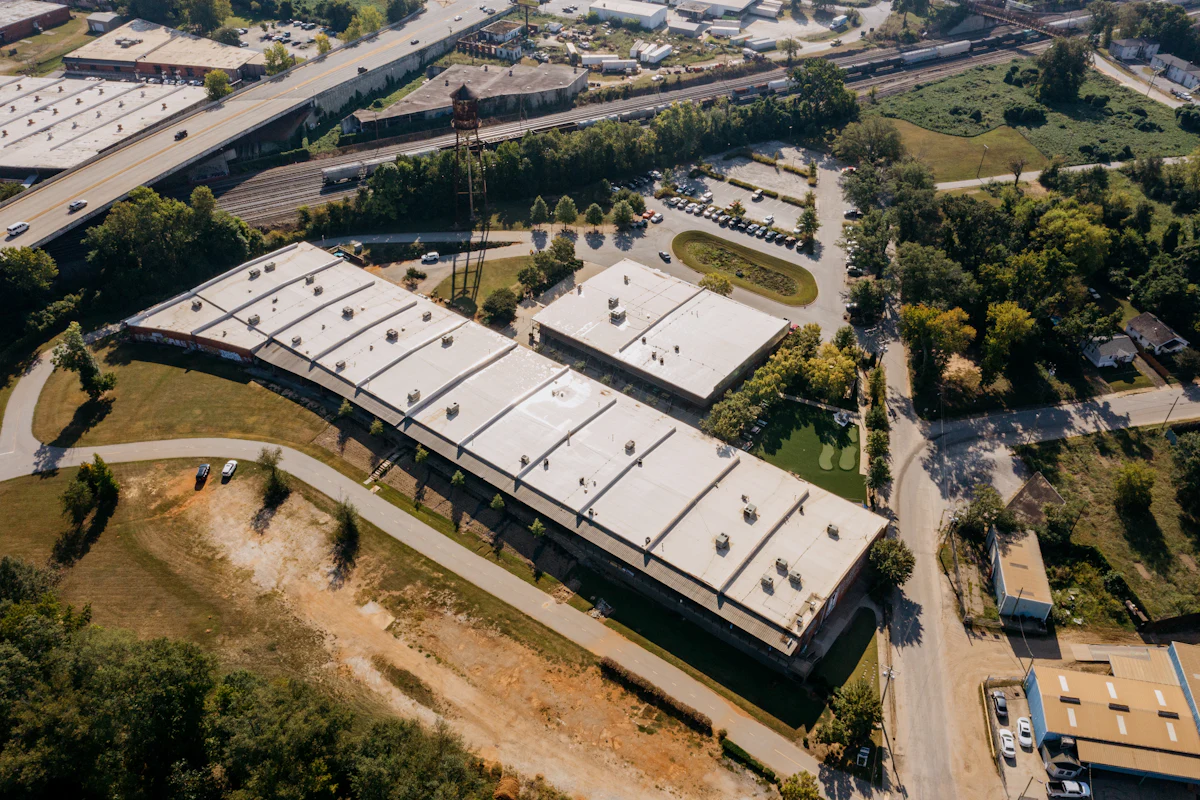
Installation method, reinforcement, cap sheet type, surface finish, and the existing roof assembly all affect how a modified bitumen system is repaired or replaced.
System Detail | How It Functions | Service Consideration |
SBS Modified Bitumen | Uses rubber-modified asphalt for added flexibility | Laps, surface wear, flashing, and adhesion |
APP Modified Bitumen | Uses plastic-modified asphalt for membrane durability | Surface condition, laps, seams, and installation method |
Granulated Cap Sheet | Provides the exposed protective roof surface | Granule loss, cracking, punctures, and weathering |
Base and Ply Layers | Build the underlying membrane assembly | Adhesion, trapped moisture, substrate condition, and replacement |
1. Read the Surface
We check laps, granules, splits, flashing, blisters, and visible membrane wear.
2. Check the Assembly
The damage pattern helps determine whether failure is isolated or layered.
3. Set the Scope
Repair or replacement is planned around the existing modified bitumen system.
These answers cover system types, repairs, cap sheets, installation, replacement, and common questions about layered low-slope roofing.
Modified bitumen roofing uses asphalt combined with polymer modifiers and reinforcement to form a membrane system for low-slope roofs. Common types include SBS and APP modified asphalt. The finished assembly can include multiple layers, flashing, base sheets, and a granulated or otherwise protected cap surface.
SBS uses a rubber-based modifier that gives the asphalt more flexibility, while APP uses a plastic-based modifier that changes how the membrane behaves and is installed. Both are modified asphalt systems, but their installation methods, surface characteristics, and repair considerations can differ.
Yes, when the damage is localized and the surrounding membrane remains serviceable. The repair should account for the condition of adjoining layers, adhesion, flashing, and any moisture beneath the surface. A visible split may be only one part of a larger affected area.
Replacement may make more sense when splits, open laps, surface deterioration, moisture, or repeated repairs affect broad sections of the roof. Property owners searching for the best roof replacement service should focus on the existing assembly and whether continued repairs remain practical.
Yes. Buckeye City Roofing handles commercial modified bitumen roofing, including evaluation, repair, installation, and replacement planning. The appropriate approach depends on membrane type, roof slope, surface condition, drainage, flashing, penetrations, existing repairs, and the condition of the underlying assembly.
Share visible splits, surface wear, leaks, open laps, or replacement concerns with Buckeye City Roofing. Property owners can also request a roofing estimate when ready to discuss the project.
Modified bitumen roofing Columbus properties rely on performance through secure laps, sound cap sheets, intact flashing, and stable underlying layers. Buckeye City Roofing can evaluate the system and help determine whether repair, installation, or replacement fits the roof condition.