
Rainwater needs a clear path from the roof edge to the ground without backing up against fascia boards or spilling where it should not. Gutter services Columbus property owners need may involve repairs, replacement, pitch corrections, downspout drainage, or broader system assessment, and Buckeye City Roofing works with both residential and commercial roof-edge drainage needs.
Leaks, missing shingles, or visible roof damage deserve a closer look before moisture travels farther into the house.
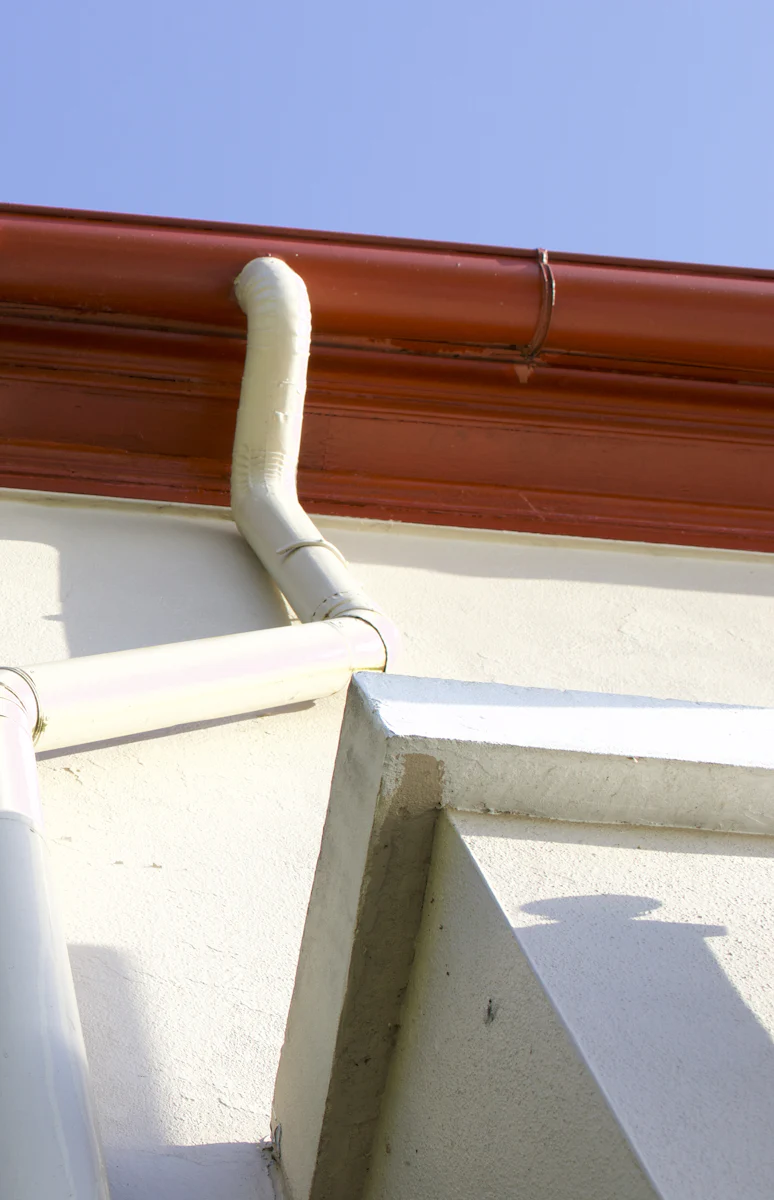
A gutter system works properly only when the channels, pitch, downspouts, fascia connections, and discharge points all work together. Water that stalls or spills over can affect roof edges, siding, fascia boards, and areas around the building below.
For gutter services Columbus homes and businesses need, Buckeye City Roofing considers how runoff leaves the roof as part of the bigger drainage picture. The Columbus roofing company overview also reflects experience with the roofing surfaces and edge details that connect directly to the gutter system.
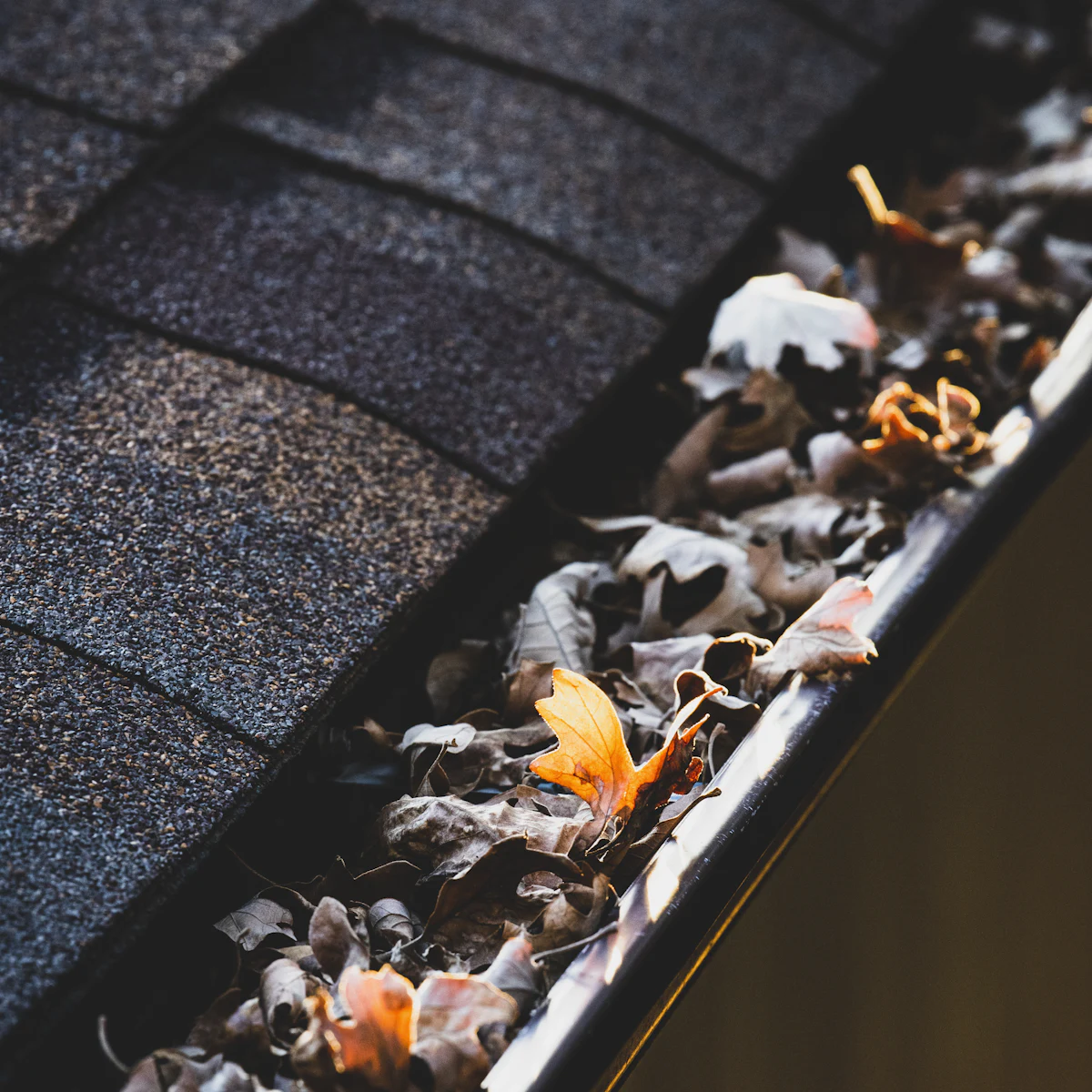
Overflow, sagging sections, or water spilling behind the gutter can point to pitch, blockage, attachment, or drainage problems.
Water spilling over the edge can indicate blockage, insufficient pitch, or poor downspout flow.
Loose fasteners or weakened attachment points can allow sections to pull away from the fascia.
Water remaining inside the gutter may indicate pitch problems or restricted downspout drainage.
Separated seams or damaged connections can release runoff before it reaches the intended discharge point.
Persistent moisture behind the gutter can affect fascia boards and roof-edge materials over time.
Water backing up or discharging poorly can reduce how effectively the entire gutter system performs.
• Gutter system assessment and visible condition review
• Gutter repair services for loose or leaking sections
• Gutter replacement services when deterioration is widespread
• Gutter pitch evaluation for better rainwater runoff
• Downspout drainage and discharge-point review
• Fascia board condition around gutter attachment areas
• Roof-edge drainage inspection where gutters meet roofing materials
• Residential roofing for homeowners with related gutter concerns
• Commercial roofing for local buildings needing roof and drainage coordination
• Professional roof repair options when water has affected nearby roofing components
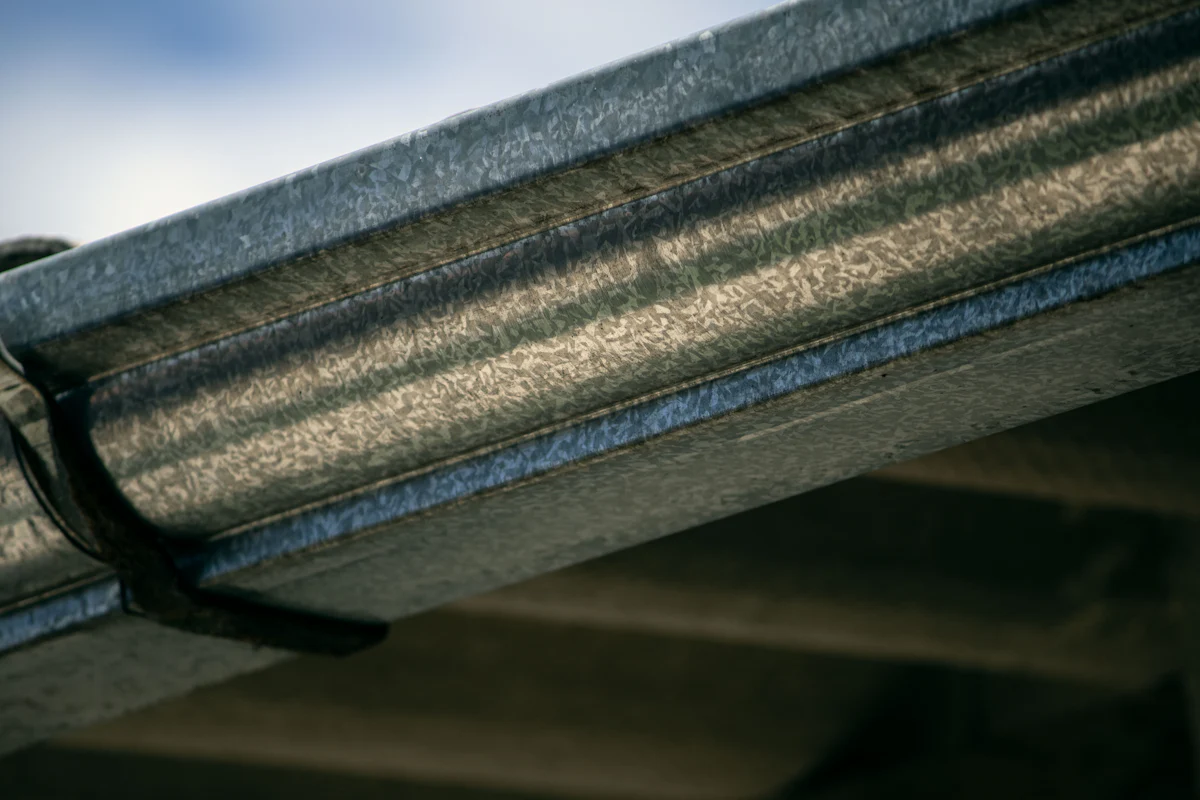
Effective roof drainage depends on more than the gutter channel itself. Pitch, downspouts, fascia attachment, and outlet locations all influence where runoff goes after leaving the roof.
Gutter Component | Primary Job | What Can Require Service |
Gutter Channels | Collect runoff along the roof edge | Leaks, sagging, poor pitch, or damaged sections |
Downspouts | Carry water from gutters toward discharge areas | Blockage, poor flow, loose joints, or misdirected runoff |
Fascia Connections | Support gutter attachment along the roof edge | Loose fasteners, moisture damage, or pulling sections |
Outlets and Elbows | Direct water between channels and downspouts | Clogs, separation, restricted flow, or leakage |
1. Follow the Water
We check overflow points, pitch, downspouts, joints, and roof-edge drainage patterns.
2. Find the Restriction
The system condition reveals whether repair, adjustment, or replacement makes sense.
3. Restore the Flow
Gutter sections and drainage components are addressed according to the identified problem.
These answers cover gutter repairs, replacement, drainage, pitch, fascia concerns, and common questions about roof-edge water management.
Repair may be practical when problems are limited to loose fasteners, leaking joints, isolated sagging, or minor drainage issues. Replacement becomes more relevant when large sections are deteriorated, badly deformed, repeatedly leaking, or no longer holding proper alignment across the roof edge.
Gutters need enough slope to move water toward the downspouts without letting runoff sit in low sections. Poor pitch can contribute to standing water, overflow, added weight, and repeated drainage problems. The entire run should be considered rather than correcting only the lowest visible spot.
Yes. Overflowing or poorly attached gutters can allow water to move behind roof-edge materials or against fascia boards. That does not mean every gutter problem causes roof damage, but persistent drainage trouble can affect nearby components and may justify checking both the gutter system and adjoining roofing.
Water can move behind a gutter because of poor attachment, incorrect pitch, overflow, damaged roof-edge details, or problems where the gutter meets the fascia. The source should be identified before assuming the gutter itself is the only issue, especially when nearby roofing components also show moisture.
Yes. Buckeye City Roofing provides gutter services that Columbus commercial and residential properties may need, including assessment, repairs, replacement planning, and drainage review. The scope depends on roof size, gutter layout, discharge points, fascia condition, downspout configuration, and the amount of runoff the system needs to manage.
Share overflow, sagging, leakage, drainage, or replacement concerns with Buckeye City Roofing. Property owners can also request a roofing estimate when gutter problems may be connected with the roof edge.
Gutter services Columbus property owners rely on should keep water moving from the roof edge through the downspouts without unnecessary overflow or backup. Buckeye City Roofing can evaluate the system and help determine whether repair, adjustment, or replacement fits the drainage problem.