
Buckeye City Roofing works with thermoplastic polyolefin systems where seams, membrane flashing, penetrations, and drainage all influence roof performance. For TPO roofing in Columbus, property owners need commercial or appropriate low-slope building services that can include installation, leak repair, membrane evaluation, and replacement planning.
Leaks, missing shingles, or visible roof damage deserve a closer look before moisture travels farther into the house.
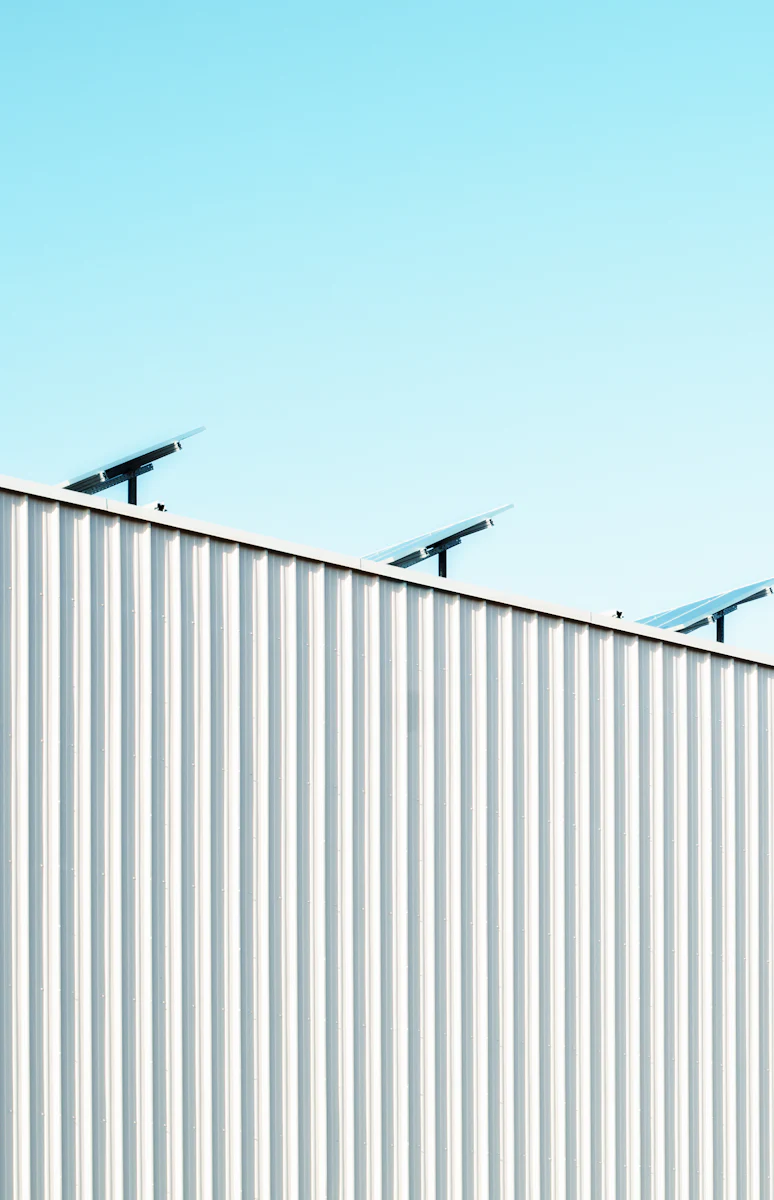
A TPO roof uses a single-ply membrane joined at seams through heat welding. Those connections, along with membrane flashing around walls, curbs, drains, and roof penetrations, create some of the most important details across the finished system.
TPO roofing Columbus properties rely on may require attention when punctures, seam movement, flashing deterioration, or drainage problems begin affecting the membrane. Buckeye City Roofing works with flat and low-slope roofing systems where the membrane must function together with the roof slope and drainage design.
Loose edges, visible membrane damage, or moisture near rooftop penetrations can indicate a localized problem that should be examined before it spreads.
A weakened or open heat-welded seam can create a direct path beneath the membrane.
Tools, debris, foot traffic, or rooftop activity can damage the single-ply roofing surface.
Membrane flashing around curbs, walls, and penetrations can deteriorate or pull away.
Slow drainage can keep water sitting near seams, penetrations, and other vulnerable membrane details.
Cuts, tears, or worn sections can compromise the continuity of the TPO roofing membrane.
Vents, pipes, equipment curbs, and other openings require correctly detailed membrane transitions.
• TPO membrane condition and surface evaluation
• Heat-welded seam inspection and repair
• Membrane flashing around curbs, walls, and roof edges
• Roof penetration and equipment-opening assessment
• Drainage and ponding-water review
• TPO roof repair for localized punctures or failed details
• TPO roofing installation for suitable low-slope applications
• Commercial roofing for local buildings using membrane roof systems
• Professional roof repair options where damage remains localized
• TPO roof replacement planning when membrane deterioration becomes widespread

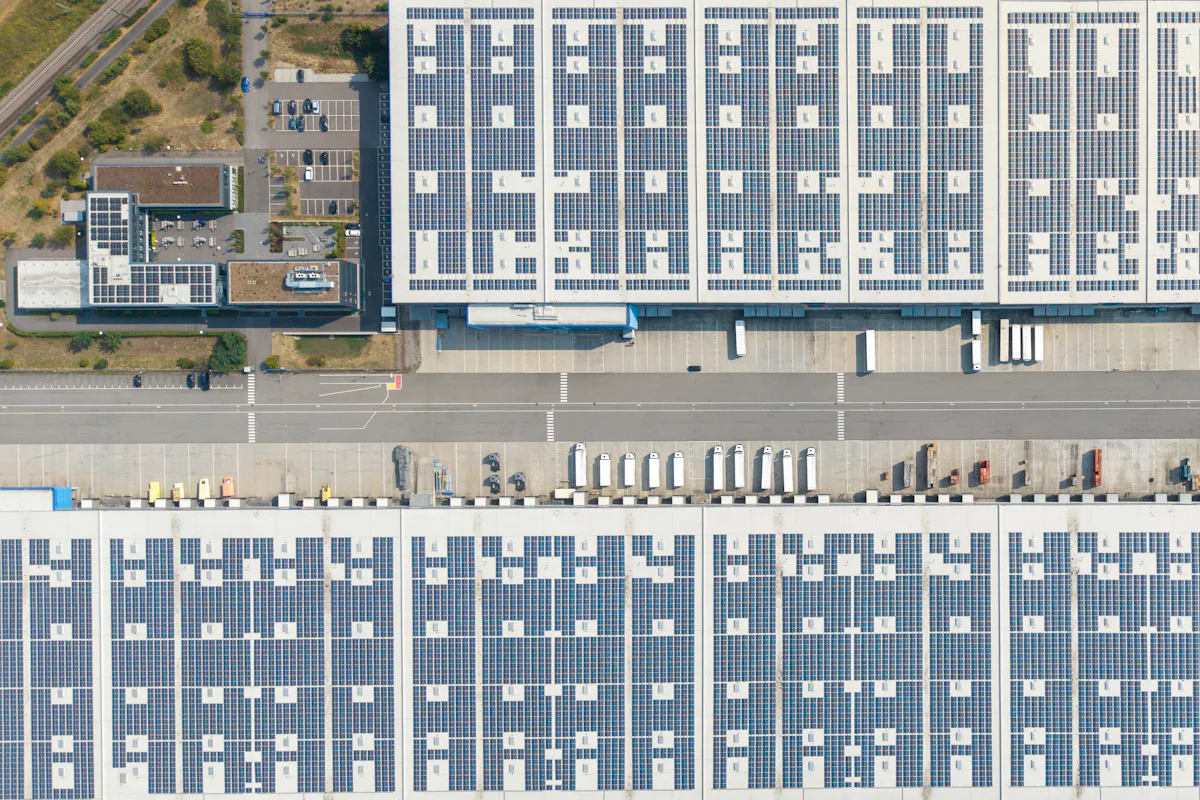
The membrane field is only one part of a TPO system. Seams, edges, penetrations, and flashing all have separate roles in keeping water above the roof assembly.
TPO Detail | Primary Function | What Service May Address |
Membrane Field | Covers the main low-slope roof surface | Punctures, tears, surface deterioration, and replacement |
Heat-Welded Seams | Join adjoining membrane sheets | Separation, weak welds, and localized seam repair |
Membrane Flashing | Seals walls, curbs, and transitions | Loose material, openings, and deteriorated connections |
Roof Penetrations | Accommodate vents, pipes, and equipment | Flashing failure, movement, and moisture entry points |
1. Inspect the Membrane
We examine seams, flashing, penetrations, drainage areas, and visible surface damage.
2. Locate the Weak Detail
Leak clues and membrane conditions help isolate where corrective work belongs.
3. Repair or Replace
The affected area is addressed according to damage extent and system condition.
These answers cover TPO seams, repairs, installation, replacement, membrane damage, and common questions about single-ply low-slope roofing systems.
TPO stands for thermoplastic polyolefin. It is a single-ply roofing membrane commonly used on low-slope roofs. Individual sheets are joined at seams, typically through heat welding, while flashing details are formed around edges, walls, drains, penetrations, and rooftop equipment.
Often, yes. A localized puncture may support a focused repair when the surrounding membrane remains in serviceable condition. The area should still be evaluated for nearby seam damage, moisture entry, or other defects because the visible opening may not represent the full extent of the problem.
Heat-welded seams connect separate membrane sheets into a continuous roofing surface. If a seam opens, weakens, or becomes damaged, moisture can move beneath the membrane. Seam condition is therefore an important part of both TPO roof inspection and repair planning.
Replacement may deserve consideration when deterioration affects broad membrane areas, leaks recur in multiple locations, seams are failing extensively, or previous repairs continue multiplying. A localized problem may still support repair when the surrounding roof remains stable, and the damaged detail can be clearly isolated.
Buckeye City Roofing can evaluate TPO for suitable low-slope applications, including certain residential roof sections where that type of membrane system is appropriate. TPO is more commonly associated with commercial low-slope roofing, so roof design, drainage, slope, penetrations, and intended use should guide the choice.
Share the leak location, membrane damage, seam concern, or installation plans with Buckeye City Roofing. Property owners can also request a roofing estimate when ready to discuss the scope.
TPO roofing Columbus buildings depend on work through secure seams, sound flashing, intact membrane surfaces, and properly detailed penetrations. Buckeye City Roofing can evaluate the system and help determine whether repair or a complete roof replacement service fits the roof condition.