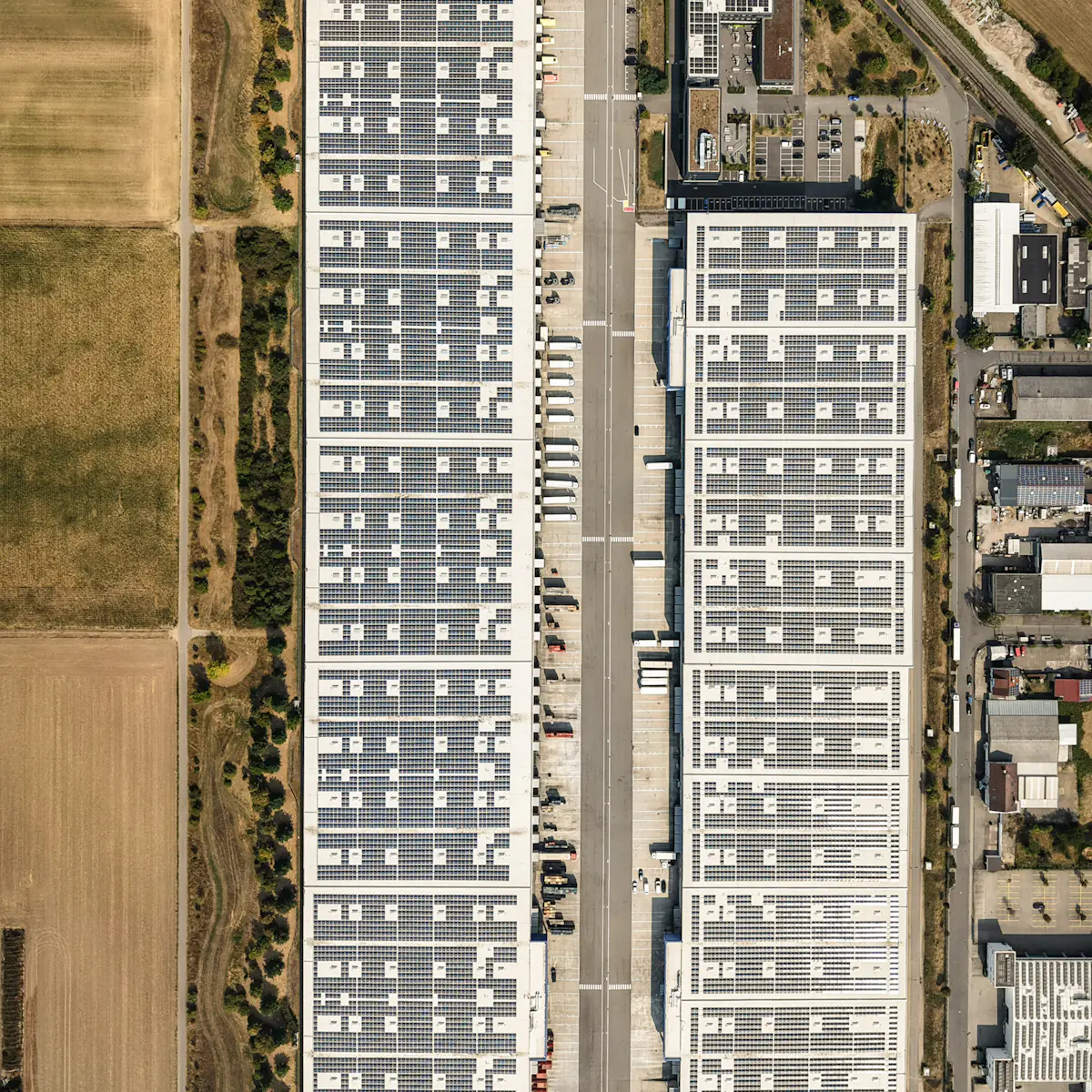
Wide roof spans, equipment penetrations, active work areas, and facility access can all shape how an industrial roofing project is planned. Buckeye City Roofing works with warehouses, factories, and other operational properties where industrial roofing Columbus projects must account for both roof performance and what is happening beneath it.
Leaks, missing shingles, or visible roof damage deserve a closer look before moisture travels farther into the house.
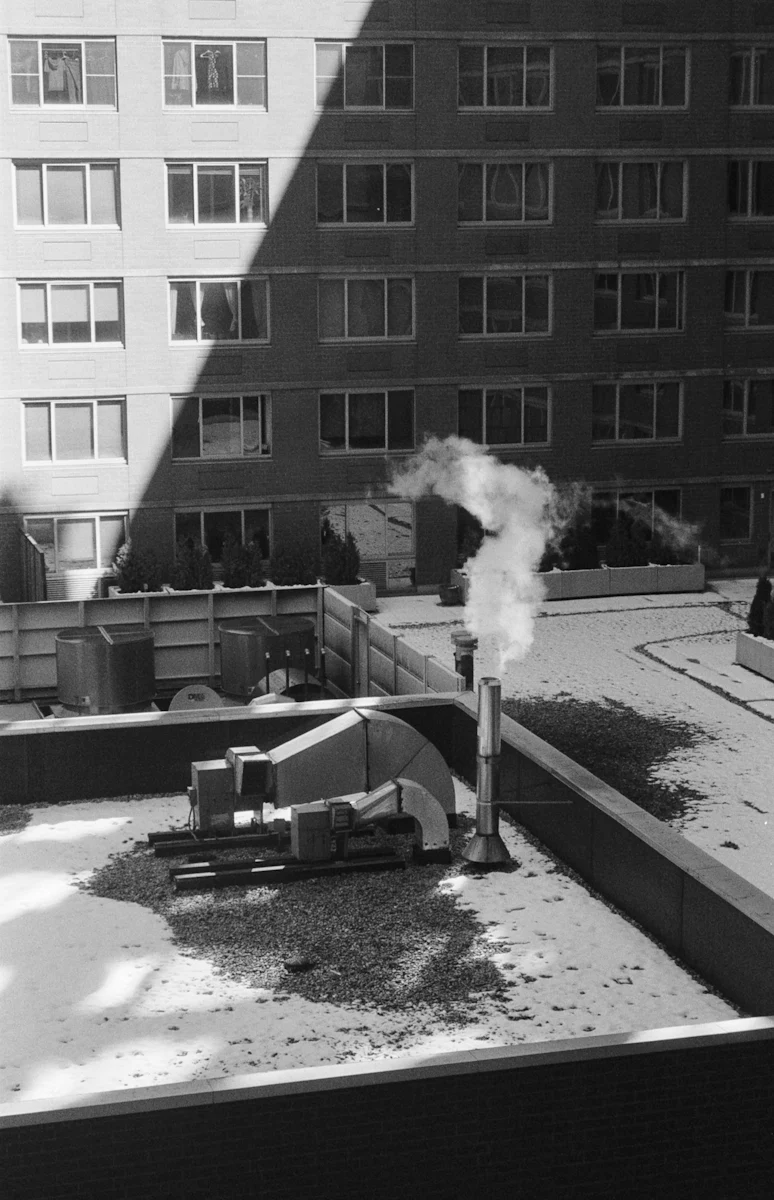
An industrial roof may cover production areas, storage space, equipment, loading operations, or other parts of a facility that cannot simply be ignored while roofing work is underway. Large roof spans and numerous penetrations also create more locations where drainage, seams, flashing, or surface damage can develop.
With 25+ years of roofing experience, Buckeye City Roofing approaches industrial roofing Columbus facilities need with the building’s use, roof system, access points, and visible condition in mind. The Columbus roofing company overview also reflects experience across commercial, flat, metal, and repair-focused roofing work.
Roofing plans should account for access routes, work zones, rooftop equipment, and areas where disruption could affect normal warehouse or facility activity.
Blocked drains or low areas can leave water sitting longer across broad industrial roof surfaces.
Open or weakened membrane seams can allow moisture beneath sections of a low-slope roof system.
Penetrations around vents, curbs, pipes, and rooftop units can become vulnerable when surrounding details deteriorate.
Foot traffic, tools, debris, or maintenance activity can damage membranes across accessible roof areas.
Large roofs may deteriorate unevenly, leaving some sections more vulnerable than others to leaks or material failure.
Recurring moisture in the same facility area may point to a larger roofing issue above.
• Industrial roof condition and damage assessment
• Warehouse and factory roof repair planning
• Large roof span and low-slope drainage review
• Equipment penetration and flashing evaluation
• Industrial flat roofing system repair and replacement
• Facility access and roofing work-zone planning
• Commercial roofing for local buildings with related large-property needs
• Professional roof repair service for localized industrial roof damage
• Residential roofing for homeowners where separate residential properties also require service
• Industrial roof replacement and system planning
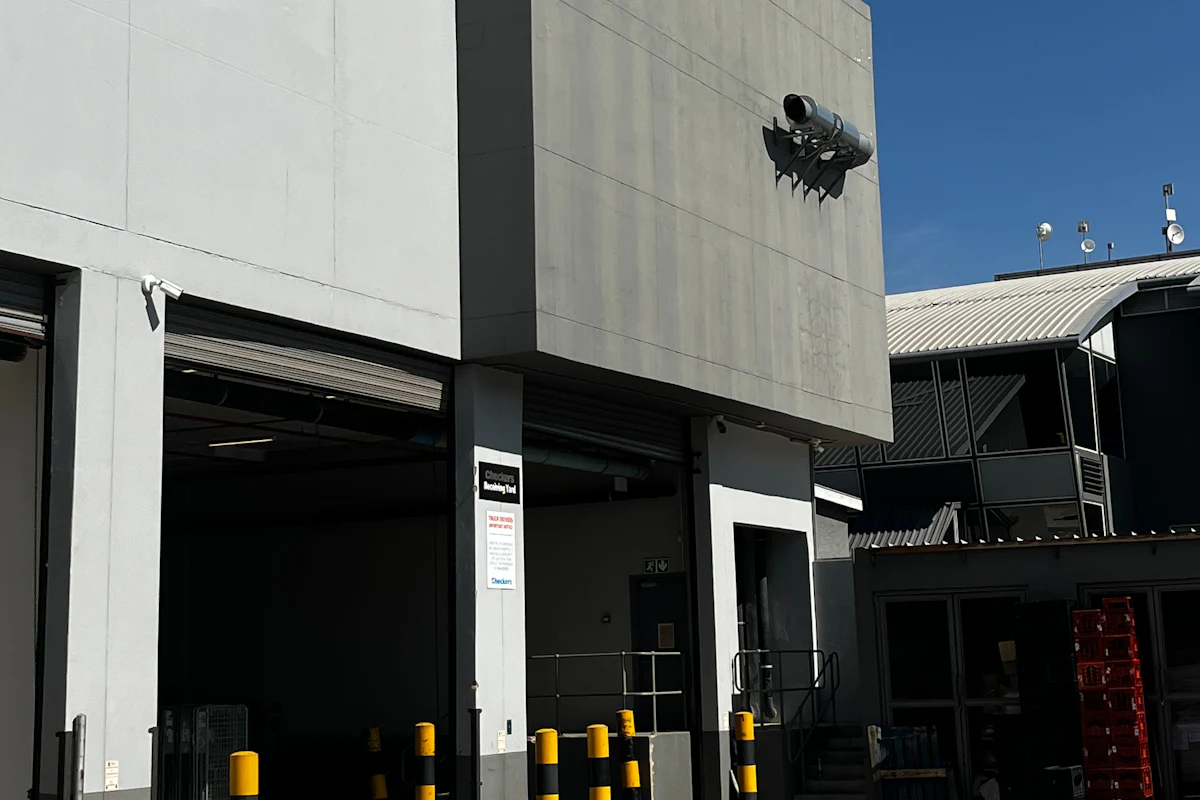
Industrial roofing solutions should reflect building use, roof size, equipment layout, access requirements, drainage, and how much operational disruption the facility can reasonably accommodate.
Facility Type | Roofing Consideration | Common Service Focus |
Warehouses | Large uninterrupted roof areas and drainage paths | Membrane condition, leaks, seams, and replacement planning |
Manufacturing Buildings | Rooftop equipment and frequent penetrations | Flashing, curbs, access areas, and moisture entry points |
Distribution Facilities | Continuous operations and loading activity | Work-zone planning, drainage, repairs, and access coordination |
Industrial Complexes | Multiple roof sections or system types | Phased repairs, system evaluation, and broader replacement planning |
1. Map the Roof
We review access, equipment, drainage, roof sections, and visible failure points.
2. Organize the Scope
Work areas and roofing priorities are defined around facility conditions and operations.
3. Complete the Roofing
The planned repair or replacement work proceeds according to the agreed project scope.
These answers address facility access, industrial roof systems, repairs, replacement, operations, and planning work across large roofing areas.
Warehouses, manufacturing facilities, distribution buildings, and other large operational properties can all present different roofing conditions. Roof size, equipment penetrations, drainage design, access points, and ongoing facility activity can affect how inspection, repair, or replacement work should be planned.
Industrial properties can involve larger roof spans, more equipment, heavier operational demands, and more complex access considerations. While many systems overlap with commercial roofing, industrial work may require added attention to facility logistics, work zones, penetrations, drainage paths, and minimizing unnecessary disruption below the roof.
In some situations, roofing work can be coordinated while normal operations continue, but that depends on access, repair location, project size, safety conditions, and the activities inside the building. Planning should identify where roofing work could interact with equipment, personnel, loading areas, or other active zones.
Replacement may deserve consideration when leaks are widespread, membrane or metal deterioration extends across large areas, repair zones keep multiplying, or several roof sections are reaching poor condition together. A localized failure may still support repair when the surrounding roofing remains stable and serviceable.
Yes. Buckeye City Roofing works on industrial roof repair, replacement planning, low-slope systems, metal roofing, and other roofing needs associated with large facilities. The recommended scope depends on the existing system, roof condition, drainage, penetrations, access requirements, and how the property is used.
Share the building type, roofing concern, known leak areas, or project goals with Buckeye City Roofing. Property managers can also request a roofing estimate when they are ready to discuss the scope.
Industrial roofing Columbus properties depend on has to protect the building without losing sight of access, equipment, drainage, and day-to-day operations. Buckeye City Roofing can evaluate the roof condition and help define repair or replacement work suited to the facility.