
Asphalt shingles rely on secure fastening, sealed edges, sound valleys, starter strips, and ridge details to keep weather from working beneath the roof surface. Wind-lifted tabs, granule loss, or damaged sections can weaken that protection over time. Buckeye City Roofing provides shingle roofing services Columbus property owners can use for repairs, replacement, installation, and roof-condition evaluation.
Leaks, missing shingles, or visible roof damage deserve a closer look before moisture travels farther into the house.
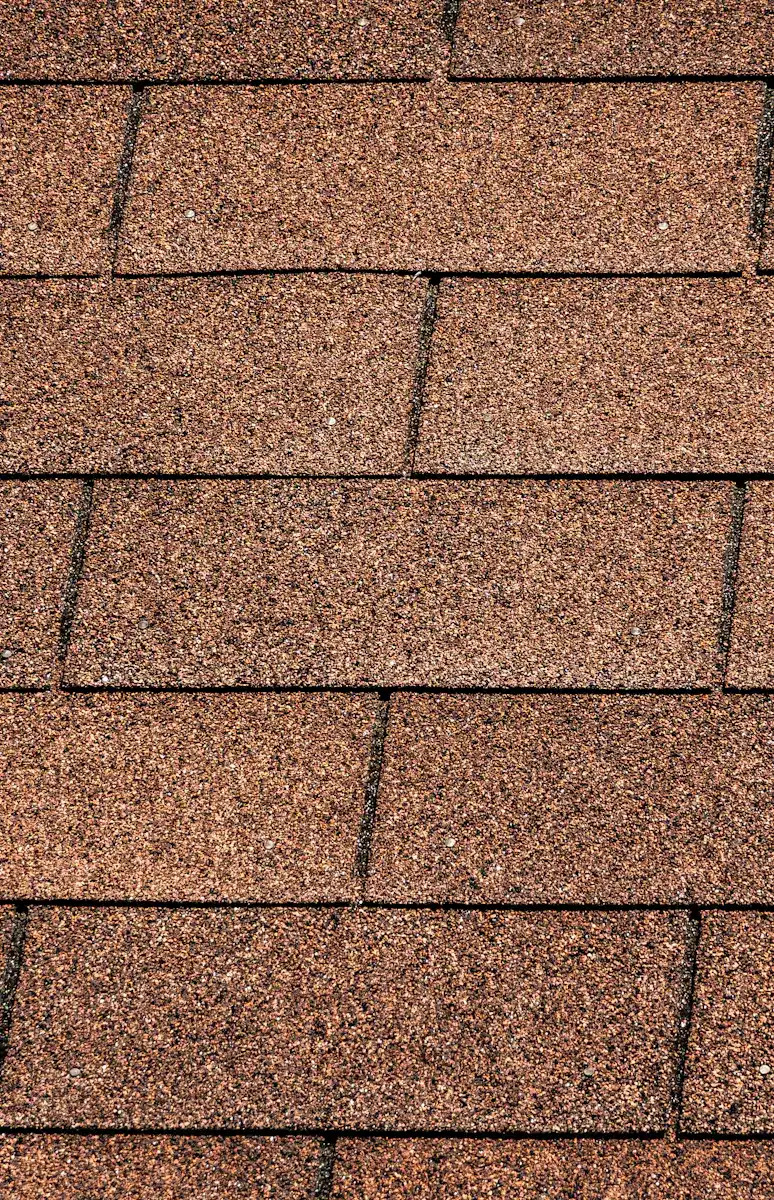
Individual shingles form the outer surface, but their performance also depends on what happens at roof edges, valleys, ridges, penetrations, and underneath the material. Starter strips help secure lower edges, ridge caps protect roof peaks, and underlayment adds another layer beneath the shingles.
With 25+ years of roofing experience, Buckeye City Roofing works on asphalt shingle roof installation, repair, and replacement across Central Ohio. Homeowners needing broader roof-system support can also explore residential roofing for homeowners alongside shingle-specific work.
A few damaged tabs may support repair, while broad granule loss, repeated wind damage, or aging sections can point toward a complete roof replacement service.
Wind can loosen shingle edges and create openings where driven rain reaches lower roofing layers.
Heavy surface wear can expose more of the asphalt layer and change how shingles handle weather.
Brittle or split shingles can lose their ability to shed water consistently across the roof.
Roof valleys carry concentrated runoff, making damaged shingles or flashing there especially important to address.
Damaged ridge pieces can expose vulnerable roof peaks and allow moisture into upper roof sections.
Completely displaced shingles leave underlayment and surrounding materials more exposed to weather and further damage.
• Asphalt shingle roof condition assessment
• Wind-lifted and missing shingle repairs
• Roof shingle replacement in localized damaged areas
• Starter strip and lower-edge evaluation
• Roof ridge cap repair or replacement
• Valley and flashing inspection around high-runoff areas
• Architectural roof shingle installation planning
• Professional roof repair options for isolated shingle failures
• Underlayment and decking review where accessible
• Full shingle roof replacement planning when wear becomes widespread
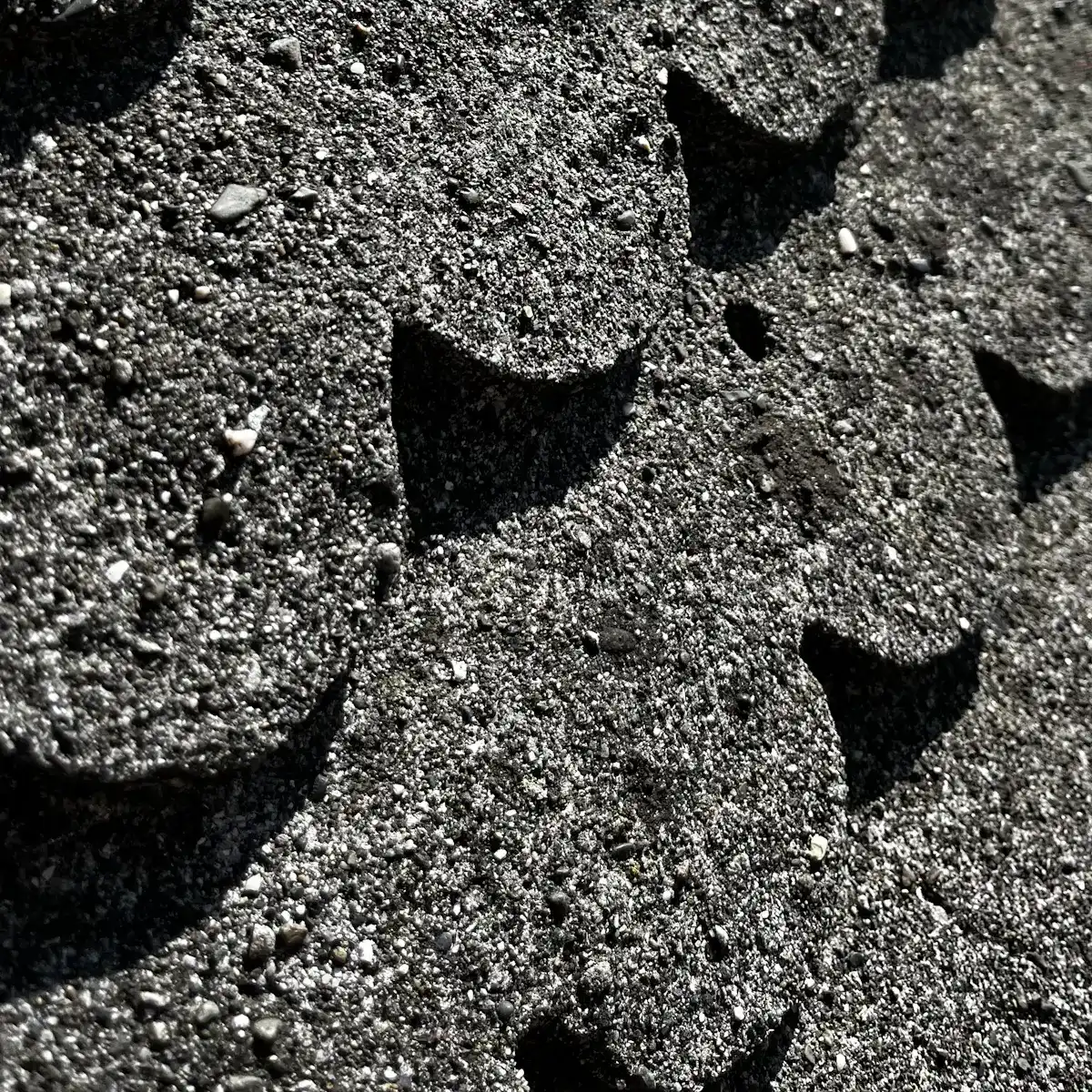

A dependable shingle roof depends on more than selecting a visible color or profile. Placement, fastening, water-shedding details, and the condition beneath each component influence how the entire system performs.
Shingle Component | What It Does | What Can Go Wrong |
Field Shingles | Shed water across the main roof surface | Cracking, granule loss, lifting, or missing tabs |
Starter Strips | Secure and seal the lower roof edge | Poor adhesion, edge lifting, or wind vulnerability |
Ridge Caps | Cover and protect roof peaks | Cracking, loosening, or missing ridge pieces |
Roof Valleys | Direct concentrated runoff toward drainage | Wear, flashing issues, debris buildup, or leaks |
1. Read the Wear Pattern
We check shingles, valleys, ridges, edges, flashing, and visible damage patterns.
2. Define the Fix
The surrounding roof condition determines whether repair or broader replacement makes sense.
3. Restore the Coverage
Damaged sections or complete shingle areas are addressed according to project scope.
These answers cover shingle damage, repairs, replacement, installation details, material choices, and common questions about asphalt roofing systems.
Yes, when the surrounding shingles remain in usable condition and the damage is limited. The repair should also consider underlayment, flashing, and nearby tabs because replacing only the visible missing shingle will not solve a problem extending beneath or around that area.
Some granule shedding occurs naturally, but heavy or uneven loss can indicate surface wear. Granules help protect the asphalt layer from exposure, so widespread loss may deserve closer inspection. The significance depends on shingle age, location, surrounding condition, and whether other wear signs are present.
Valleys collect and direct water from adjoining roof slopes, so they handle more concentrated runoff than many other areas. Damaged shingles, worn flashing, debris, or poor detailing in a valley can create leak risk even when the surrounding roof surface still appears relatively sound.
Architectural shingles generally use a layered construction that creates more dimension than traditional three-tab shingles. Product design, installation requirements, weight, wind ratings, and appearance can vary by manufacturer, so material selection should reflect the roof design, budget, and the specific product being considered.
Yes. Buckeye City Roofing handles shingle roofing where it is appropriate for the property, including certain business or mixed-use buildings with pitched roof sections. Owners with broader building needs can also review commercial roofing for local buildings when other roof systems are involved.
Loose tabs, bare-looking areas, missing sections, or recurring leaks can help narrow what the roof may need. Share the details with Buckeye City Roofing or request a roofing estimate to discuss the next step.
Shingle roofing services Columbus homes and other properties need can range from replacing several damaged tabs to installing a completely new asphalt roof. Buckeye City Roofing can evaluate the wear, identify the affected details, and help determine the scope that fits the roof.