
Water entering through a roof can move into insulation, ceilings, walls, and other materials before the weather clears. Emergency roof repair Columbus property owners request may involve active leaks, storm damage, exposed roofing, or another failure that needs attention outside normal hours.
Available 24/7 for urgent roofing concerns, Buckeye City Roofing evaluates the visible damage, possible entry points, and practical steps needed to limit further exposure.
Leaks, missing shingles, or visible roof damage deserve a closer look before moisture travels farther into the house.
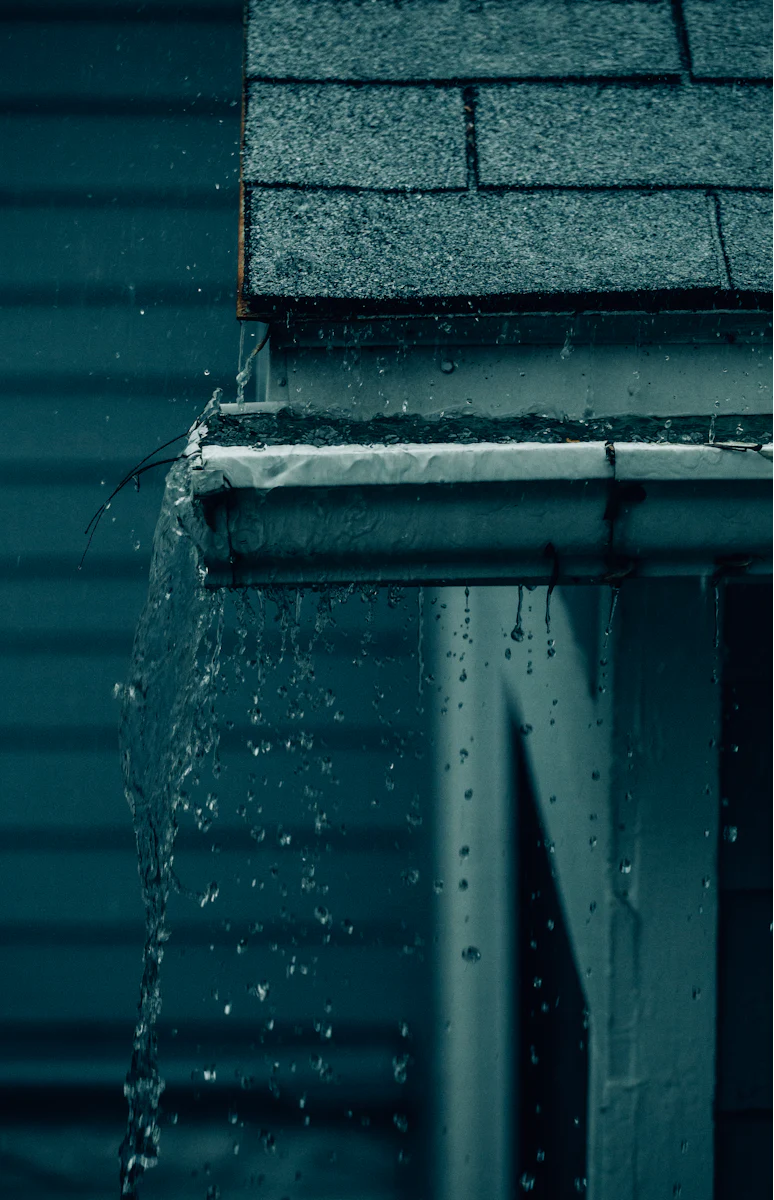
An emergency roofing situation is different from routine maintenance because active water intrusion or newly exposed roofing can continue affecting the building. The first concern is understanding what failed, how water may be entering, and whether temporary weather protection is appropriate.
Emergency roof repair Columbus homes and businesses need can later lead to professional roof repair options once the immediate condition is understood. Buckeye City Roofing separates urgent containment needs from the permanent roofing work that may follow.
Active dripping, sudden ceiling stains, or visible exterior damage after severe weather can justify an immediate call rather than waiting for a routine appointment.
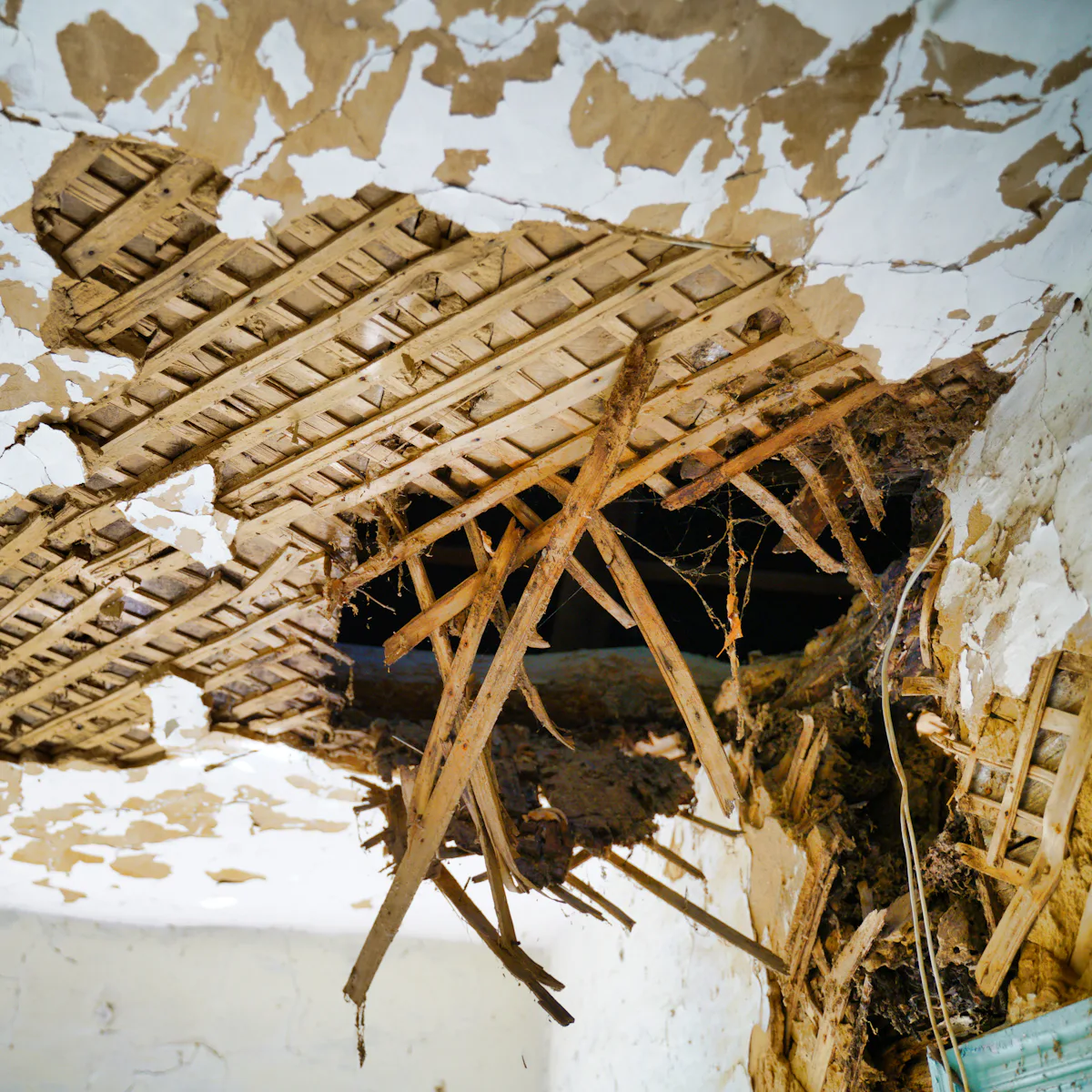
Water entering ceilings or interior spaces indicates moisture is already moving beyond the outer roofing surface.
Wind or debris can expose underlayment, decking, seams, or other areas normally protected from direct weather.
Loose shingles, membrane edges, flashing, or metal components can leave vulnerable sections open to additional rain.
Fallen branches and storm debris can puncture roofing materials or damage the structure beneath the visible surface.
Rapid staining, bubbling finishes, or sagging interior areas can accompany significant moisture intrusion from above.
Damage around vents, pipes, curbs, or other roof openings can create concentrated paths for water entry.
• Evaluation of active water intrusion and visible roof damage
• Roof leak tracing around newly affected areas
• Temporary weather protection when conditions and damage allow
• Roof tarping assessment for exposed roofing sections
• Rapid leak containment planning around identified entry points
• Storm debris and impact-damage evaluation
• Residential roofing for homeowners affected by sudden roof failures
• Commercial roofing for local buildings with urgent membrane or leak concerns
• Inspection of flashing, penetrations, seams, shingles, and roof edges
• Planning permanent repair after the immediate condition is stabilized
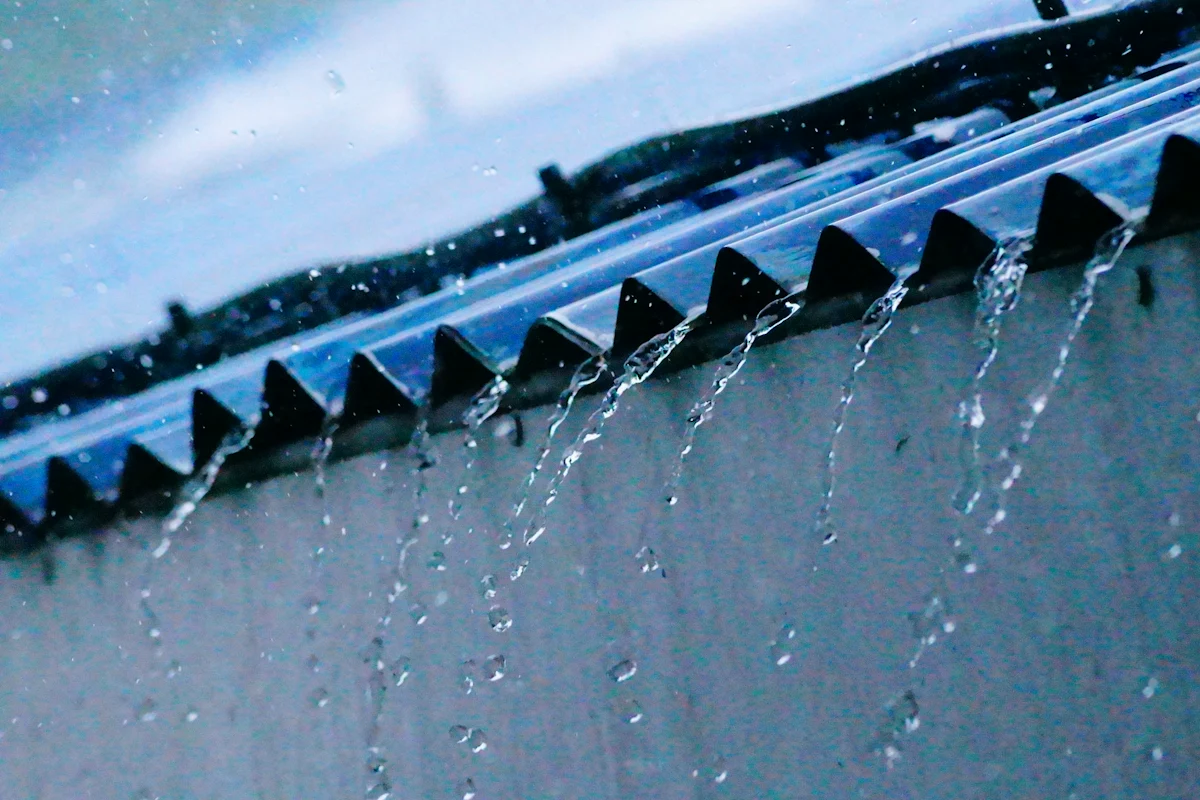
Temporary measures are intended to reduce immediate exposure, while permanent work addresses the failed roofing component itself. If damage is extensive, a complete roof replacement service may eventually be considered after the roof condition is fully evaluated.
Emergency Condition | Immediate Priority | Possible Follow-Up |
Active roof leak | Identify entry area and limit continuing water exposure | Permanent leak and flashing repair |
Exposed roofing | Evaluate temporary weather protection | Replace damaged roofing materials |
Storm impact | Check affected surface and surrounding components | Repair damaged decking, roofing, or penetrations |
Widespread damage | Determine what can be safely protected initially | Broader repair or replacement planning |
1. Identify the Urgency
We review the reported leak, storm damage, exposure, and immediate roofing concern.
2. Limit Further Exposure
Appropriate temporary protection is considered based on roof conditions and accessible damage.
3. Plan Permanent Work
The roof condition determines what repair or replacement work should follow containment.
These answers explain urgent leaks, temporary protection, storm damage, response expectations, and what happens after immediate roofing concerns are addressed.
Active water entering the building, storm-created openings, significant material displacement, debris impact, or newly exposed roof sections can all create urgent roofing concerns. The severity depends on the location and extent of the damage, weather conditions, and whether moisture continues entering the property.
No. Some conditions may first require temporary weather protection or leak containment before permanent work can be completed. Weather, roof access, the extent of damage, and the roofing system can all affect what is practical during the initial visit and what needs to be scheduled afterward.
Not necessarily. A roof tarping assessment should consider the location of the damage, roof slope, surface condition, access, weather, and whether a tarp can be placed appropriately. Temporary protection is situation-specific and should not be treated as a substitute for correcting the damaged roofing component.
Yes. Buckeye City Roofing handles urgent roofing concerns on residential and commercial properties. Shingles, metal panels, TPO, EPDM, modified bitumen, and other roofing systems have different failure points, so emergency evaluation should reflect the material and roof construction involved.
No. Buckeye City Roofing is available 24/7 for emergency roofing contact, but the work that can be completed depends on weather, access, damage severity, materials, and site conditions. The initial priority may be identifying the problem and determining the safest practical next step.
For emergency roof repair, Columbus property owners can call Buckeye City Roofing directly or request a roofing estimate with information about the leak, storm event, visible damage, or affected roof area.
Emergency roof repair for Columbus homes and businesses starts with understanding where the building is exposed and what can reasonably be done next. Buckeye City Roofing is available 24/7 to evaluate urgent roofing concerns and help move the property from immediate protection toward permanent repair.