
Buckeye City Roofing handles skylight repair for Columbus property owners when water appears around the opening, flashing begins to fail, seals deteriorate, or surrounding roofing materials become involved. The goal is to determine whether moisture is entering through the skylight assembly, roof connection, or another nearby path before deciding what to repair.
Leaks, missing shingles, or visible roof damage deserve a closer look before moisture travels farther into the house.
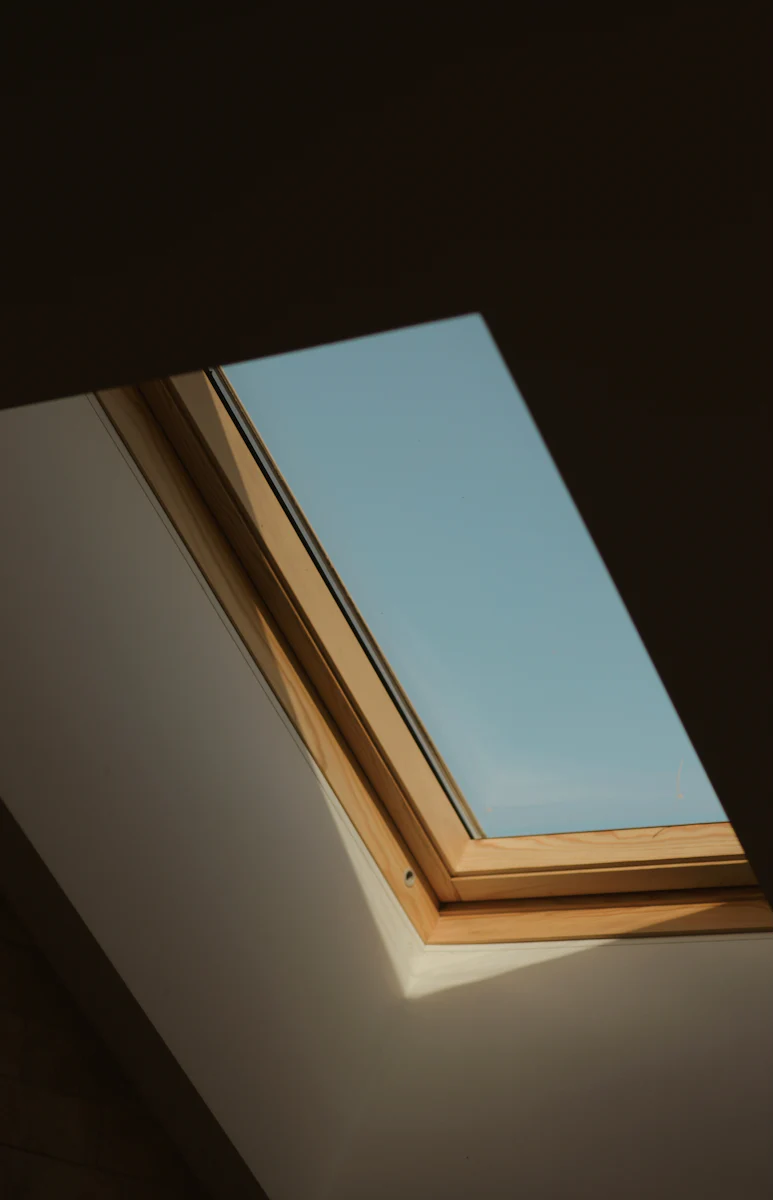
A wet ceiling or stain beside a skylight can come from curb flashing, roofing around the opening, seal deterioration, or water traveling from another roof area. Condensation can also create moisture that looks similar to a roof leak, which makes accurate diagnosis important before resealing or replacing anything.
For skylight repair in Columbus homes and buildings, Buckeye City Roofing checks the skylight connection together with the surrounding roof. The Columbus roofing company overview reflects broader experience with roof materials and flashing details that can influence water ingress paths around these openings.
Staining, dripping, fogging, or damp finishes can point to different causes, so the source should be narrowed before repair begins.
Loose or deteriorated flashing can allow water around the skylight curb and adjoining roofing.
Aging sealants can crack or pull away from joints exposed to weather and movement.
Discoloration around the opening may indicate water ingress, condensation, or moisture traveling from nearby roofing.
Indoor moisture can collect around glazing and frames without an exterior roof leak being present.
Cracks or compromised roof glazing can create direct moisture entry through the skylight assembly.
Damaged shingles, membrane, or flashing near the skylight can cause leaks that appear to originate from the unit itself.
• Skylight leak detection and moisture-source evaluation
• Skylight curb flashing inspection
• Seal deterioration and resealing assessment
• Roof glazing and visible skylight condition review
• Water ingress path investigation around surrounding roofing
• Residential skylight repair for pitched roof applications
• Commercial skylight repair where appropriate roof systems are involved
• Residential roofing for homeowners with surrounding roof damage
• Commercial roofing for local buildings where roof penetrations affect larger systems
• Professional roof repair options when the leak source extends beyond the skylight itself
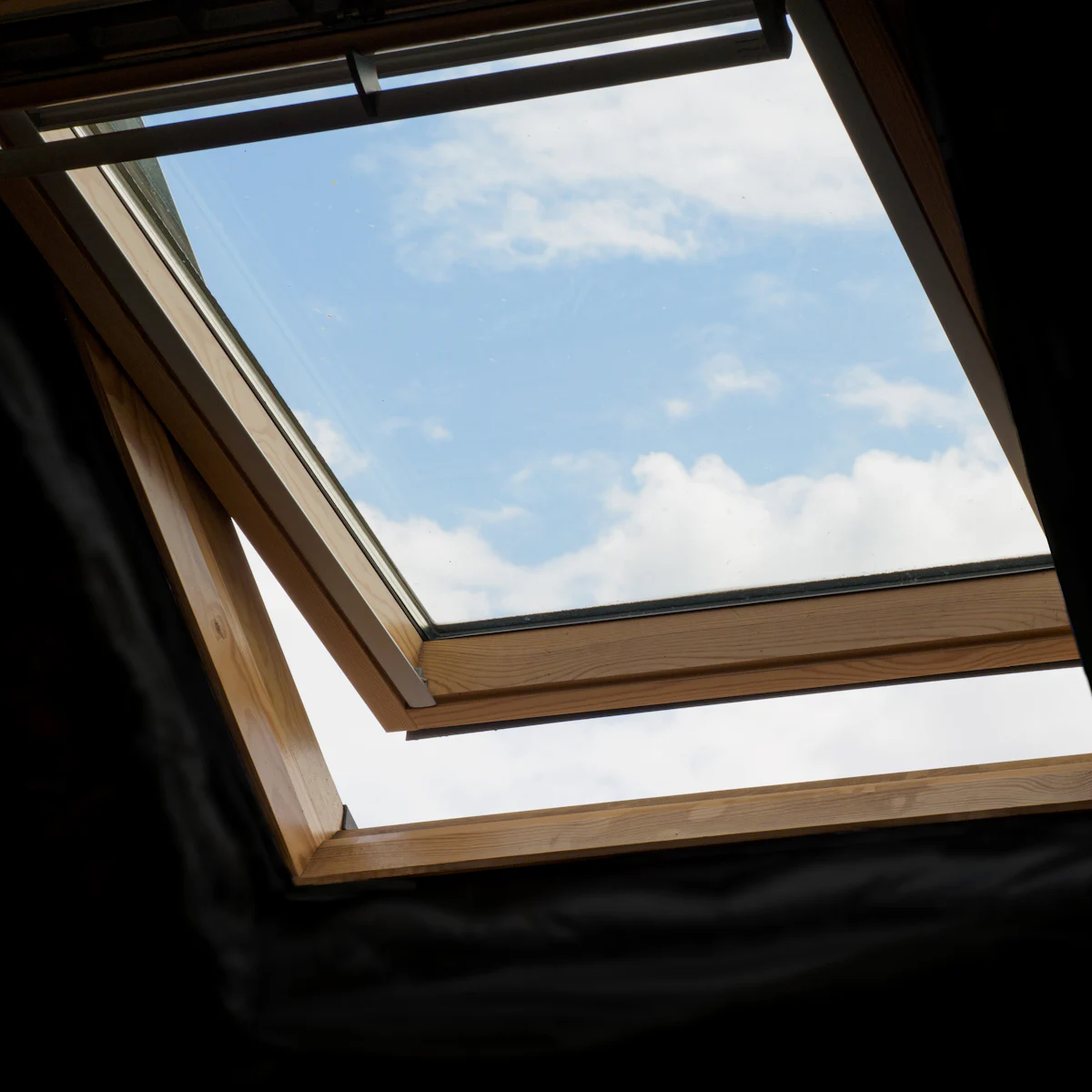
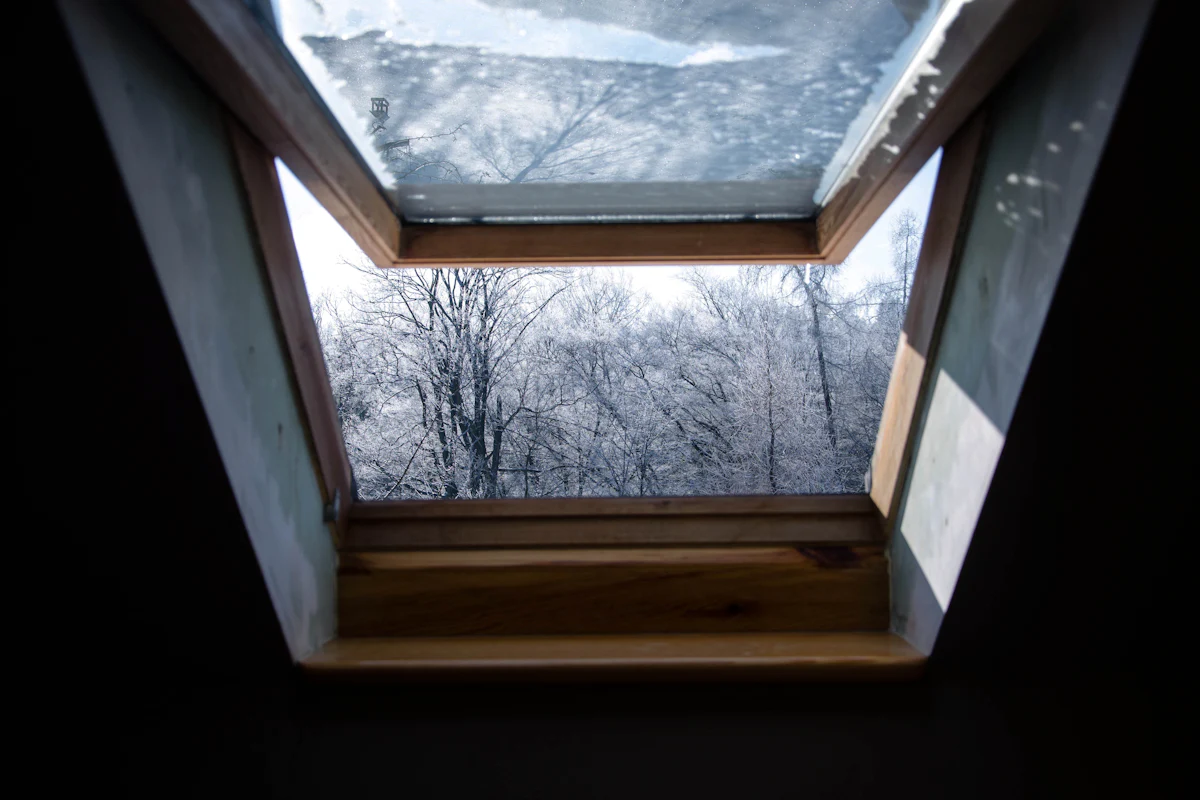
A skylight leak diagnosis should separate problems with the skylight assembly from failures in flashing, surrounding roofing, or indoor condensation.
Possible Source | What It May Look Like | Repair Direction |
Curb Flashing | Water staining near skylight edges | Repair or restore flashing connections |
Seal Deterioration | Moisture around joints or frame areas | Evaluate resealing and affected components |
Surrounding Roofing | Leak appears beside skylight after rain | Repair nearby shingles, membrane, or flashing |
Condensation | Moisture develops without obvious rain exposure | Diagnose indoor moisture rather than assuming roof failure |
1. Trace the Moisture
We compare interior clues with flashing, glazing, seals, and nearby roofing conditions.
2. Confirm the Source
The evidence helps distinguish skylight failure from surrounding roof or condensation issues.
3. Address the Cause
Repair work targets the confirmed entry point instead of simply covering symptoms.
These answers cover skylight leaks, flashing, resealing, condensation, surrounding roof damage, and common questions about diagnosing moisture around roof openings.
Condensation often develops from indoor humidity and temperature differences, while an exterior leak may appear after rainfall or around damaged flashing and roofing. The timing, location of moisture, glazing condition, and surrounding roof details can help separate the two before repair work is recommended.
Sometimes. If the skylight itself remains in usable condition and the problem is isolated to curb flashing or surrounding roofing, focused repair may be possible. The flashing layout, roof material, seal condition, and evidence of water beneath nearby roofing should all be checked first.
No. Resealing may help when deteriorated sealant is the confirmed problem, but it will not correct damaged flashing, cracked glazing, failed roofing, or water entering from another area. Applying sealant without identifying the actual source can hide the symptom without solving the underlying issue.
Yes. Water can enter through shingles, membrane, flashing, or another nearby roof detail and then travel toward the skylight opening. That is why roof skylight repair should consider both the unit and the surrounding roofing rather than assuming the glass or frame is always responsible.
Yes. Buckeye City Roofing handles residential skylight repair and appropriate commercial skylight repair where the roof system and skylight configuration allow. The recommended work depends on glazing, seals, flashing, roof penetrations, surrounding materials, and the confirmed source of moisture.
Tell Buckeye City Roofing when the moisture appears, where staining is visible, and whether the skylight or nearby roofing shows obvious damage. Property owners can also request a roofing estimate when ready to discuss the repair.
Skylight repair Columbus property owners need should start by separating flashing trouble, seal deterioration, glazing problems, and nearby roof damage. Buckeye City Roofing can trace the moisture path and help define the repair that fits the actual source.